

Peru brings one of the most layered holiday calendars in Latin America, shaped by deep Catholic tradition, Incan heritage, and strong national pride in its independence history. For American employers managing remote talent from Peru, understanding how Peruvians observe these days is essential to building a respectful and productive working relationship.
This page covers every official public holiday in Peru for 2026, along with major cultural observances that affect your remote team’s availability. Whether you’re working with a virtual assistant or a senior specialist, knowing the calendar is part of being a good employer.
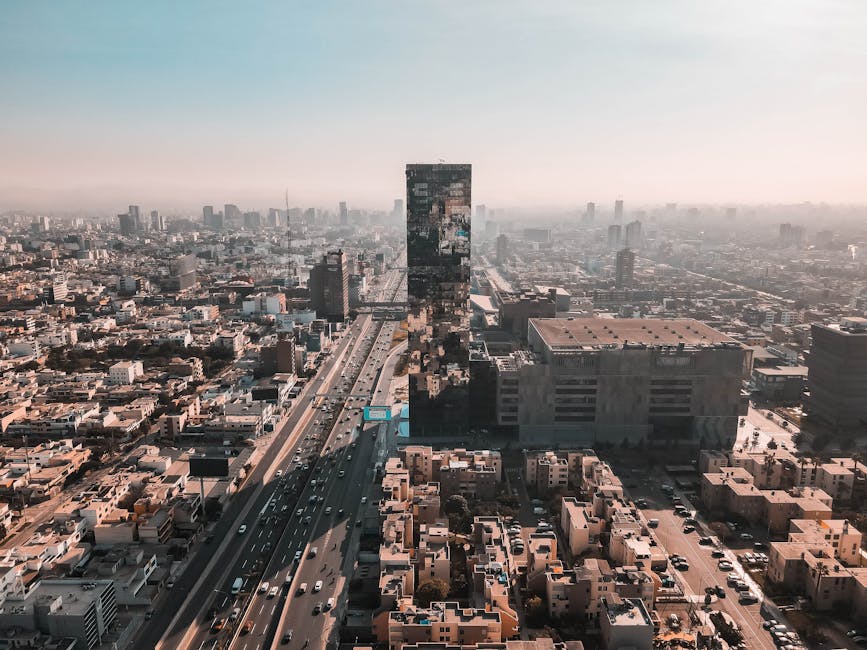
Peru’s Holiday Calendar: What American Employers Need to Know
Peru’s holiday calendar is shaped by three forces: its Catholic faith inherited from Spanish colonial rule, its fierce pride in the 1821 independence from Spain, and the living traditions of Incan and indigenous culture that never disappeared. With 16 official public holidays in 2026 plus several major cultural observances, Peru has one of the fuller calendars in the region. The most important dates cluster in July (Fiestas Patrias), but October and June also bring significant disruptions for employers who aren’t paying attention.
New Year’s Day (January 1)
New Year’s Eve in Peru is a family affair. Peruvians celebrate with fireworks, eating 12 grapes at midnight, and wearing yellow underwear for good luck in the coming year. January 1 is a full public holiday. Most workers are unavailable and recovering from late-night celebrations with family.
Holy Thursday (April 2)
Holy Thursday marks the beginning of the Easter Triduum and is an official public holiday in Peru. Many Peruvians attend religious services and begin observing a period of quiet reflection. It falls on the Thursday before Easter and changes date each year. In 2026, it falls on April 2.
Good Friday (April 3)
Good Friday is one of the most solemnly observed holidays in Peru. Catholic processions take place in cities and towns throughout the country, with the most elaborate in Ayacucho (see cultural observances below). Traditional foods on this day exclude meat, with fish and vegetable dishes served instead. In 2026, Good Friday falls on April 3.
Labor Day (May 1)
Labor Day is widely observed across Peru with marches, union rallies, and worker recognition events. It is a non-working day for both public and private sector employees. Peru’s labor movement takes this date seriously, and most workers will not be available regardless of industry or role. Don’t schedule calls or expect deliverables on May 1.
Battle of Arica and Flag Day (June 7)
June 7 commemorates the Battle of Arica during the War of the Pacific (1880), when Peruvian forces made a legendary last stand at the Morro de Arica. It is also Flag Day, when schools and government buildings hold official flag-raising ceremonies and students recite the flag pledge. The date carries both patriotic and military significance. In 2026, it falls on a Sunday.
Saint Peter and Saint Paul (June 29)
The feast day of Saints Peter and Paul is an official public holiday in Peru, particularly significant in coastal fishing communities who venerate Saint Peter as patron of fishermen. Coastal towns host processions and festivities. In 2026, it falls on a Monday, making for a potential long weekend bridge with any adjacent days off.
Peruvian Air Force Day (July 23)
July 23 commemorates the first military air operation in Peruvian history, carried out in 1919. It is an official public holiday honoring the Fuerza Aerea del Peru. Military ceremonies take place at air bases across the country. This holiday lands just five days before the start of Fiestas Patrias, adding to what is essentially a full week of reduced availability.
Fiestas Patrias (July 28 and 29)
Fiestas Patrias is the most important holiday event in Peru. July 28 marks the Declaration of Independence from Spain in 1821, and July 29 is Armed Forces Day. Together, they form the heart of Peru’s national celebration: military parades, fireworks, regional dances, traditional food festivals, and nationwide civic pride. The entire country essentially shuts down. In 2026, the holidays fall on Tuesday and Wednesday, meaning many Peruvians will take Monday July 27 off as a bridge day, creating an effective five-day pause from Friday July 24 through the holiday week.
Battle of Junin (August 6)
August 6 commemorates the Battle of Junin (1824), one of the decisive victories in Peru’s war for independence led by Simon Bolivar. It is an official public holiday observed with patriotic ceremonies and military tributes. Combined with Fiestas Patrias just a week prior, late July and early August represent a sustained period of heightened national observance.
Saint Rosa of Lima (August 30)
August 30 honors Santa Rosa de Lima, the first person born in the Americas to be canonized by the Catholic Church. She is the patron saint of Peru, Lima, and all of Latin America. The day is observed with religious processions, particularly in Lima where she lived in the 17th century, and is a full public holiday. In 2026, it falls on a Sunday.
Battle of Angamos (October 8)
October 8 commemorates the Battle of Angamos (1879) during the War of the Pacific, honoring Rear Admiral Miguel Grau Seminario, one of Peru’s most celebrated naval heroes. Known as the “Caballero de los Mares” (Gentleman of the Seas), Grau is a deeply revered figure in Peruvian history. Official naval ceremonies and national tributes mark the day.
All Saints’ Day (November 1)
All Saints’ Day is a Catholic observance and official public holiday in Peru. Families visit cemeteries to pay respects to deceased relatives, bringing flowers and food to the gravesites in a tradition that blends Catholic and pre-Columbian customs. In some regions, this practice extends into November 2 (Day of the Dead). In 2026, it falls on a Sunday.
Immaculate Conception (December 8)
December 8 honors the Immaculate Conception of the Virgin Mary and is an official public holiday observed with religious masses and processions throughout Peru. It also unofficially marks the start of the Christmas season, with families beginning holiday decorating and nativity scene displays. Most workers will not be available on this day.
Battle of Ayacucho (December 9)
December 9 commemorates the Battle of Ayacucho (1824), the final decisive battle of the Spanish-American wars of independence. It effectively ended Spanish colonial rule across South America. It is an official public holiday, celebrated with military tributes and civic ceremonies, particularly in Ayacucho where the battle was fought.
Christmas Day (December 25)
Christmas in Peru is a family-centered holiday with deep Catholic roots. Midnight Mass (Misa de Gallo) on Christmas Eve is a major tradition. Families gather for a late-night Christmas Eve dinner featuring dishes like panetton (sweet bread), hot chocolate, turkey, and tamales. December 25 is a full public holiday; most workers celebrate the night of the 24th and rest on the 25th.
Major Cultural Observances in Peru
The following are major cultural events that significantly affect daily life and remote team availability in Peru but are not official public holidays. They matter for scheduling.
Semana Santa in Ayacucho (March 26 to April 5, 2026) (cultural observance — not an official public holiday)
Ayacucho’s Holy Week is widely considered the most extraordinary Semana Santa celebration in all of Latin America. The city hosts more than 600 years of unbroken religious tradition, with 17 consecutive days of processions, each night featuring a different religious image carried through cobblestone streets lit by candles. Tens of thousands of pilgrims and tourists travel to Ayacucho specifically for this event. The processions draw from both Spanish Catholic tradition and Andean indigenous spirituality, creating a celebration unlike anything else in the hemisphere.
For American employers: workers from Ayacucho or surrounding Andean regions may take additional days during this period. The official public holidays within this window (Holy Thursday April 2 and Good Friday April 3) are just the floor, not the ceiling, of expected absence for team members from this region.
Inti Raymi in Cusco (June 24, 2026) (cultural observance — not an official public holiday)
Inti Raymi, the Festival of the Sun, is one of the most spectacular cultural events in all of South America and arguably the most important surviving expression of Incan civilization. Held annually on June 24 during the winter solstice in Cusco, it is a full-scale theatrical reenactment of the ancient Incan ceremony honoring Inti, the sun god, performed across three iconic sites: the Qorikancha temple (the original Temple of the Sun), the Plaza de Armas (Cusco’s main square), and the fortress of Sacsayhuaman overlooking the city.
Thousands of performers in elaborate traditional costumes fill the ceremonial spaces. The Sapa Inca (the character representing the Incan emperor) presides over offerings, ritual speeches in Quechua, and prayers for the return of warmth and agricultural abundance. The event draws 10,000 or more visitors to Cusco each year, making it one of the most attended cultural festivals in South America. For Peruvians, and especially those from the Cusco region, this is not a tourist spectacle but a genuine cultural identity event.
For American employers: while June 24 is not an official national holiday, Peruvian employees from Cusco or the broader Andean highlands may treat this date as a personal observance day. If your remote team member has roots in the Cusco region, don’t be surprised if they request the day off or are mentally unavailable.
Senor de los Milagros Processions in Lima (October 2026) (cultural observance — not an official public holiday)
The Lord of Miracles (Senor de los Milagros) is Peru’s most beloved religious icon and the centerpiece of what is considered the largest Catholic procession in the world. Every October in Lima, hundreds of thousands of Peruvians dress in purple and take to the streets to follow the image of Christ painted on a wall that survived the catastrophic Lima earthquake of 1746. The painting was created by an enslaved Angolan man named Pedro Dalcon in the 17th century, and its survival through multiple earthquakes cemented its status as miraculous.
The major procession dates in 2026 run throughout October: starting October 5, with key dates on October 18, 19, and 28, and concluding November 1 on All Saints’ Day. During these weeks, Lima is visibly transformed: purple flags and banners hang from buildings, vendors sell the traditional turron de Dona Pepa sweet, and massive crowds fill the streets along the procession route. While these days are not official holidays, productivity among Lima-based workers can be meaningfully affected, particularly on the main procession days.
Fiestas Patrias Informal Shutdown (July 23 to 29, 2026) (cultural observance — not an official public holiday)
While only July 28 and 29 are official holidays, the entire week surrounding Fiestas Patrias functions as Peru’s equivalent of a national vacation period. With Air Force Day on July 23 adding a third official holiday earlier in the week, many Peruvians take bridge days to create a full week off. Restaurants book out weeks in advance, families travel regionally, and overall workforce productivity drops significantly in the days before and after the official dates. Plan for reduced availability from approximately July 23 through the end of July 29.
How to Work with Peru’s National Holidays as an American Employer
Fiestas Patrias is non-negotiable. July 28 and 29 are Peru’s most important national holidays, full stop. But in practice, the shutdown window stretches well beyond those two days. With Air Force Day on July 23 and many Peruvians taking the Monday July 27 as a bridge, you’re realistically looking at July 23 through July 29 as a week to clear your project calendar. Scheduling calls, expecting deliverables, or sending time-sensitive requests during this window will frustrate your Peruvian team members and signal that you haven’t bothered to learn their calendar. Add it to your project management tool now and treat it the same way you’d treat the US Thanksgiving week.
Some holidays are more loosely observed depending on role and industry. Battle of Arica (June 7), Saint Peter and Paul (June 29), Battle of Junin (August 6), and Battle of Angamos (October 8) are official public holidays but tend to be observed more strictly in government, education, and larger corporate environments. Remote professionals, particularly in tech, marketing, and administrative roles, may work on these days or at least be reachable. It’s worth establishing upfront with your team member how they observe these dates rather than assuming either full availability or full absence.
Communication norms around holidays in Peru lean toward relationship-first culture. Peruvian workers generally won’t push back directly if asked to work on a holiday, but resentment builds quietly when employers repeatedly ignore the calendar. A simple acknowledgment goes a long way: send a message before Fiestas Patrias saying you know it’s an important week, confirm coverage expectations in advance, and don’t expect real-time responsiveness during core holiday windows. Being proactive about the calendar is one of the fastest ways to build trust with a Peruvian team member.
If you’re building a remote team from Peru, Go Carpathian places professionals across sales, marketing, operations, and executive support roles from Lima and beyond. We source from Latin American remote talent markets where we know the culture, the calendar, and what makes a placement actually work long-term. We brief every client on holiday windows before placement so you’re never caught off guard.
Hire Remote Talent from Peru
Go Carpathian places pre-vetted remote professionals from Peru and across Latin America. Flat-fee pricing, no markups, 17 to 20 day average placement. We handle sourcing, interviews, and onboarding so you get the right person without the agency runaround.