

Moldova sits at the crossroads of Eastern Orthodox tradition and European ambition. For an American employer managing remote talent here, that means a holiday calendar shaped by the Julian calendar, deep wine and agricultural heritage, and cultural ties to Romania that surface throughout the year. Many observances that go unmarked on a US calendar are genuine rest days in Moldova, and some of the biggest ones land on different dates than you expect.
This guide covers every official public holiday plus the cultural observances your remote team will actually take off. Whether you are onboarding your first Moldova hire or building out a larger Eastern European presence, knowing these dates up front prevents scheduling friction and shows your team you did your homework.
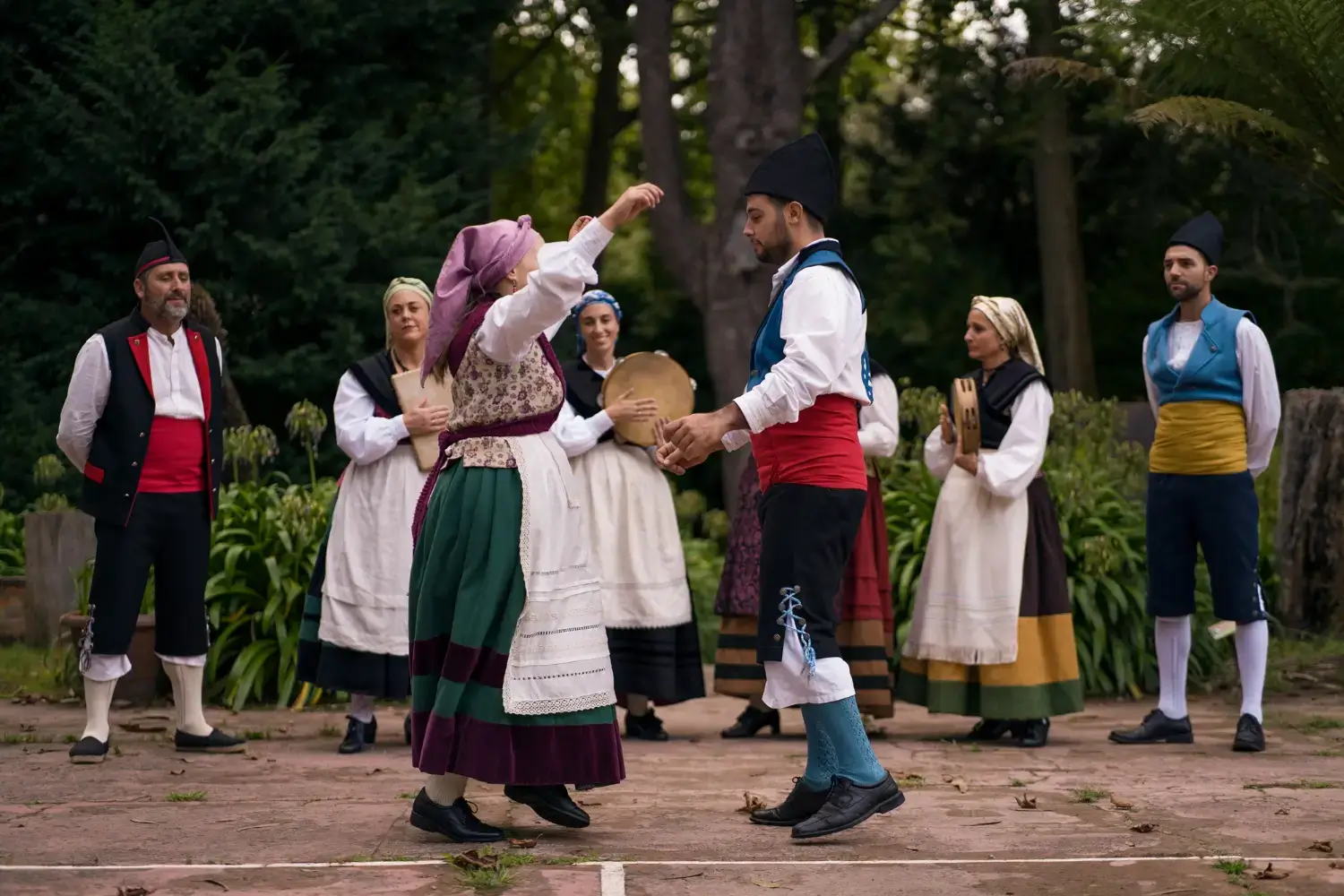
Moldova
Moldova’s holiday calendar blends two distinct forces: the Eastern Orthodox liturgical year and the country’s post-Soviet national identity. Religious holidays follow the Julian calendar, placing Orthodox Christmas and Easter on dates that differ from Western observances. Secular holidays reflect independence, language rights, and a deeply rooted wine and agricultural culture that dates back centuries.
New Year’s Day (January 1)
New Year’s is Moldova’s most broadly celebrated secular holiday. Families gather for feasts, fireworks fill the capital Chisinau, and children perform Plugusorul, a traditional caroling ritual meant to bring prosperity in the coming year. Most businesses are fully closed.
Orthodox Christmas (January 7-8)
This is the most significant religious holiday on the Moldovan calendar. It falls on January 7 because Moldova’s Orthodox Church follows the Julian calendar, putting Christmas 13 days after December 25. Christmas Eve (January 6) begins with colindat, a door-to-door caroling tradition where children carry a handmade star representing Christ’s birth. A 40-day fast precedes the celebration, broken with a 12-dish vegetarian meal on the eve and meat feasts on Christmas Day itself. Both January 7 and January 8 are official non-working days.
Saint Basil’s Day / Old Style New Year (January 14)
January 14 marks New Year’s Day on the Julian calendar, and many Moldovans observe it informally as a second new year. The day features distinctive folk traditions including masked animal dances and semnatul, a sowing ritual where children scatter grain while reciting wishes for abundance. This is not an official public holiday but it is culturally significant and widely observed.
Martisor (March 1)
Martisor marks the beginning of spring. Moldovans exchange small red-and-white decorative tassels that symbolize health and renewal. It is not an official public holiday, so most businesses stay open, but expect a festive atmosphere and some team members giving and receiving these tokens throughout the day.
International Women’s Day (March 8)
A legacy of Soviet tradition, Women’s Day is taken seriously in Moldova. Men give tulips, chocolates, and small gifts to the women in their lives. Free public concerts and feminist marches both happen in Chisinau. This is an official national holiday and a non-working day for most employees.
Orthodox Easter (variable, follows Julian calendar)
Orthodox Easter is the most important religious event of the year in Moldova. The date is calculated differently from Western Easter and almost always falls one to five weeks later on the Gregorian calendar. For 2025 it fell on April 20; for 2026 it falls on April 12. The observance includes all-night church services, red egg dyeing, baking traditional cozonac and pasca cakes, and the greeting “Hristos a inviat!” (Christ is risen). Both Easter Sunday and Easter Monday are official public holidays.
Memorial Easter / Blajini Day (variable, one week after Orthodox Easter)
One week after Orthodox Easter, Moldovans observe Memorial Easter to honor deceased family members. Families visit cemeteries, clean graves, and bring food and drink to share as offerings for the souls of the dead. It is an official public holiday and a genuinely observed rest day across the country.
Labour Day (May 1)
Moldova retains May 1 as an official public holiday from its Soviet history. Today it is less a political event and more a practical day off: families head outdoors for picnics and barbecues as warm spring weather arrives. Most offices and businesses are closed.
Victory Day and Europe Day (May 9)
May 9 carries dual meaning in Moldova. It honors the more than 250,000 Moldovan casualties of World War II with morning ceremonies, wreath-laying, and military honors. The afternoon shifts to Europe Day, reflecting Moldova’s active push toward EU integration. Both observances happen on the same day, with fireworks in Chisinau’s Great National Assembly Square closing the evening. This is an official public holiday.
International Children’s Day (June 1)
Added as an official public holiday in 2023, June 1 features free concerts, street performances, and family-focused activities organized by government institutions. It is a newer addition to the official calendar but now fully protected as a non-working day.
Independence Day (August 27)
Moldova declared independence from the Soviet Union on August 27, 1991. The holiday is observed with ceremonies at the Stephen the Great monument in Chisinau, open-air craft fairs, and evening concerts with fireworks. It is one of the most significant national holidays on the calendar and a full non-working day.
Romanian Language Day (August 31)
August 31 commemorates the 1989 day when over 750,000 Moldovans gathered demanding that Romanian be recognized as the official state language and that the Latin alphabet replace Cyrillic. Established as a public holiday in 2013, the day is marked with poetry recitals, concerts, and the Great National Dictation, a country-wide event celebrating the language. It is an official non-working day.
National Wine Day (first weekend of October)
Wine Day is not an official public holiday, meaning it is a regular working day for most businesses. That said, it is one of Moldova’s most culturally significant events. Held the first weekend of October, it draws over 90 wineries to Chisinau’s central square for tastings, masterclasses, folk music, and traditional food. Moldova is home to the largest underground wine cellar in the world and produces wine that has been recognized internationally. Your team may take informal time to participate, especially if they are based in Chisinau.
Chisinau City Day (October 14)
October 14 is a regional public holiday for Chisinau, Moldova’s capital and largest city. The date corresponds with the 1836 dedication of the city’s Nativity Cathedral and the Orthodox feast of the Intercession of the Virgin Mary. Stefan cel Mare Boulevard becomes an open-air festival with folk performances, crafts, and fireworks. If your team is Chisinau-based, treat this as a non-working day.
Saint Andrew’s Day (November 30)
Saint Andrew is credited with bringing Christianity to the Romanians, making this an important cultural observance across Moldova and Romania alike. Traditions include protective rituals using garlic and basil, folk divination customs, and community gatherings. It is not an official national public holiday but is widely observed in homes and communities.
Western Christmas Day (December 25)
Moldova added December 25 as an official public holiday in 2009, in part because of the growing number of Moldovans working or living in Western Europe who celebrate Christmas on the Western date. It is increasingly marked with Christmas markets, ice skating, and holiday concerts in major cities. This is separate from Orthodox Christmas in January, which remains the primary religious celebration.
How to work with Moldova’s national holidays as an American Employer
The single most important thing to understand about Moldova’s holiday calendar is that Orthodox Christmas and Orthodox Easter fall on different dates than what Americans expect. Christmas is January 7-8, not December 25. Easter shifts each year based on the Julian calendar calculation and consistently lands weeks after the Western date. In 2025, Orthodox Easter was April 20. In 2026, it is April 12. American employers who schedule product launches, deadlines, or all-hands calls without checking these dates will catch their Moldova team fully offline.
There are 13 official national public holidays in Moldova. All of them are genuine non-working days for the vast majority of employees. Workers who are required to work on a public holiday are legally entitled to double pay or a compensatory day off. The loosely observed days, meaning the ones where you might get a partial response, are cultural events like Martisor (March 1), Saint Basil’s Day (January 14), and Wine Day weekend in October. Your team will likely be at their desks on those days but may be distracted or sign off early, especially around Wine Day in a wine-centric country.
The extended Easter cluster is worth mapping out well in advance. Orthodox Easter Sunday and Monday are both official holidays. Memorial Easter follows one week later, also an official holiday. That is three non-working days spread across two consecutive weeks, plus the cultural buildup leading into Easter itself. Budget for reduced availability across that entire two-week window in April.
If you are working with our Eastern Europe talent network, we walk you through these calendar gaps during placement so they do not catch you off guard. We also offer virtual assistant services staffed from Moldova and neighboring countries, where managing holiday coverage across time zones is something we handle from day one.
Ready to Hire in Moldova?
Go Carpathian connects American companies with pre-vetted remote talent from Moldova and across Eastern Europe. We handle sourcing, vetting, and placement. You get the right person, fast.