

Panama has one of the most internationally connected workforces in Latin America. Its bilingual culture, strong ties to global commerce through the Canal, and deep Catholic roots shape a holiday calendar that blends civic pride with religious tradition. For American employers managing remote talent from Panama, understanding when and how workers observe these holidays is key to keeping projects on track and your team relationships strong.
This page covers every official public holiday in Panama plus the major cultural observances that affect remote worker availability, with practical guidance on what each one means for your team schedule.
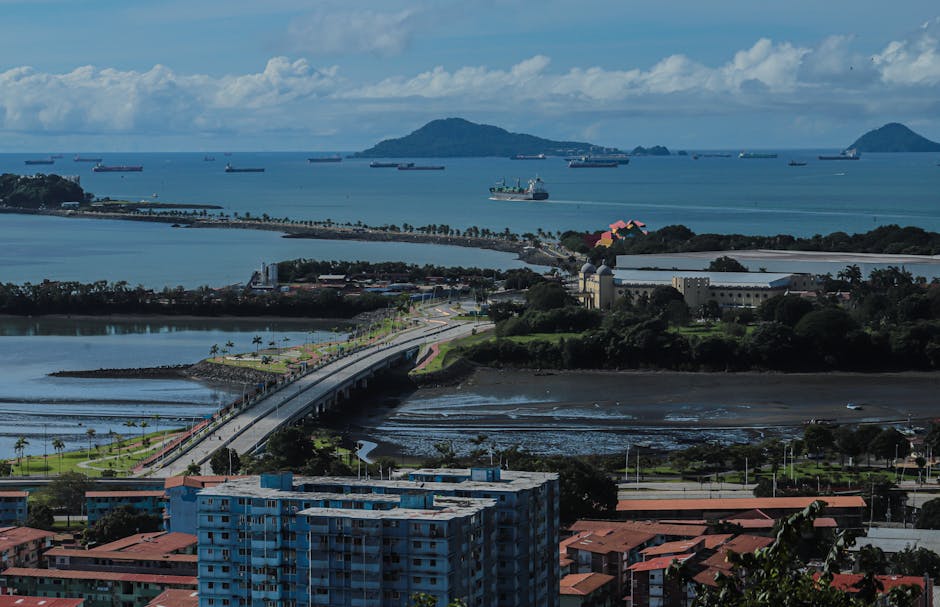
Panama
Panama’s holiday calendar is driven by three forces: Catholic religious tradition, a cluster of civic independence holidays in November known as the “Fiestas Patrias,” and the massive Carnival season that precedes Lent each February or March. Workers take these seriously. The November holidays in particular carry deep national identity, and Carnival effectively shuts down large portions of the country for several days running.
New Year’s Day (January 1)
Panama rings in the new year with family gatherings, fireworks, and late-night celebrations that often extend well into January 1. It is a full national holiday with government offices, schools, and most businesses closed. Workers typically need January 1 off entirely, and many take January 2 as an informal recovery day.
Martyrs’ Day (January 9)
Martyrs’ Day commemorates the 1964 riots in which Panamanian students were killed after attempting to raise the Panamanian flag in the former Canal Zone, a turning point in Panama’s eventual sovereignty over the Canal. It is a solemn national holiday with government ceremonies, school events, and significant news coverage. Workers observe it fully, and it carries strong patriotic weight.
Carnaval: Carnival Monday and Tuesday (variable, February or March)
Carnival is the single most celebrated event in Panama, running from the Friday before Ash Wednesday through Shrove Tuesday. The official public holidays cover Monday and Tuesday, but in practice, celebrations start Friday and the country goes into full party mode. Streets fill with parades, colorful floats, and the famous “mojadera” where crowds are doused with water from cistern trucks and fire hoses during Panama’s hottest weeks. The celebration ends on Ash Wednesday with the “Entierro de la Sardina,” a mock funeral procession symbolizing the end of Carnival. In 2026, Carnival Monday and Tuesday fall on February 16 and 17, with Ash Wednesday on February 18.
Ash Wednesday (variable, February or March)
Ash Wednesday marks the official start of Lent and, while not a public holiday, is widely observed by Catholic Panamanians. Workers may attend morning Mass and request lighter schedules. The day follows the intense Carnival period, so expect reduced productivity in the days immediately surrounding it.
Good Friday (variable, March or April)
Good Friday is a national public holiday and one of the most strictly observed days in Panama. Religious processions take place throughout the country, with elaborate re-enactments of the Via Crucis (Stations of the Cross) in many towns and cities. Businesses, government offices, and schools are closed. Workers do not work on Good Friday. In 2025 it falls on April 18; in 2026 on April 3.
Labor Day (May 1)
May 1 is International Labor Day, a national public holiday in Panama. Unions hold marches and public events, particularly in Panama City. Workers observe it fully, and government offices are closed. It is a straightforward day off with no extended holiday window around it.
Foundation of Old Panama City (August 15)
August 15 commemorates the founding of Panama City in 1519, making it the oldest continuously inhabited European-founded city on the Pacific coast of the Americas. This holiday is primarily observed in Panama City and the surrounding metro area rather than nationwide, with local events and festivals. Workers in the capital may take the day fully; those in other regions may have a lighter observance.
Separation from Colombia (November 3)
November 3 marks Panama’s declaration of independence from Colombia in 1903, one of the most important dates in Panamanian national identity. It kicks off the “Fiestas Patrias,” a cluster of national holidays across November. Government offices and schools are closed, parades are held, and national pride runs high. Workers observe this day fully.
Flag Day (November 4)
November 4 is dedicated to Panama’s national symbols: the flag, coat of arms, and national anthem. Schools and government institutions hold ceremonies honoring these symbols. While officially observed mainly in the public sector, many private businesses close as well, and the day is sandwiched between the strong November 3 and 5 holidays, effectively creating a multi-day Fiestas Patrias break.
Colon Day (November 5)
November 5 marks the city of Colon’s own separation from Colombia, celebrated specifically in Colon province. It is a national holiday, though it carries special weight on Panama’s Caribbean coast. Workers throughout the country observe the day off, and the combination of November 3, 4, and 5 means most Panamanian workers take a full three-day break at the start of November.
Uprising of Los Santos (November 10)
November 10 commemorates the “Primer Grito de Independencia” (First Cry of Independence) in 1821, when residents of the town of Los Santos declared independence from Spain before Panama City itself did. The day is observed nationally with civic ceremonies and events. It is a public holiday with offices and schools closed throughout Panama.
Independence from Spain (November 28)
November 28 marks the date in 1821 when Panama officially declared independence from Spain, later joining Gran Colombia. It closes out the Fiestas Patrias month and is celebrated with parades and civic events. Workers observe the full day off, and many Panamanians use the long November holiday cluster to travel domestically and visit family.
Mother’s Day (December 8)
Panama celebrates Mother’s Day on December 8, which also coincides with the Catholic feast of the Immaculate Conception. This double significance makes the day especially important in Panamanian culture. Families gather for meals, gifts, and church attendance. It is a national public holiday with businesses and offices closed, and workers take it seriously as a family day.
Christmas Day (December 25)
Christmas in Panama is celebrated with strong Catholic tradition, including Midnight Mass (Misa de Gallo) on Christmas Eve and family gatherings on Christmas Day featuring dishes like tamales, pernil (roasted pork), and arroz con pollo. December 25 is a full national holiday. Many workers also informally observe Christmas Eve and take the last week of December lightly, particularly between Christmas and New Year’s.
How to work with Panama’s national holidays as an American Employer
Four periods require complete blackout planning when you have Panamanian remote workers. Carnival week (the Friday through Tuesday before Ash Wednesday) is non-negotiable: most of the country shuts down, transportation is disrupted, and internet connectivity in many areas becomes unreliable as workers travel to rural towns to celebrate. Good Friday is equally firm. The Fiestas Patrias cluster in early November (November 3, 4, and 5) effectively creates a three-day national holiday that workers treat as a single block. And December 8 plus Christmas create bookend holidays that make the second half of December lighter across the board. If you have hard deadlines near any of these windows, move them a full week out. Building a Panama team through our Latin America talent pool means you get a full briefing on these scheduling realities before your hire’s first week.
Several days on the calendar are officially public holidays but observed with more variation in practice. August 15 matters most if your worker is based in Panama City proper. November 10 and November 28 are real days off but without the same intensity as the early-November cluster. Ash Wednesday is not a public holiday but expect reduced output after the Carnival weekend. Workers will generally be responsive via messaging apps on these lighter days, but do not count on full turnaround or deliverables.
Panama’s professional culture is relationship-oriented and communication-forward. Workers appreciate a quick message acknowledging the holiday before a long weekend, and many will send a courtesy note themselves when they know a holiday is coming up. During Carnival in particular, Panamanians often travel to their hometowns, so expect communication windows to narrow starting the Thursday before Carnival Monday. A shared holiday calendar at the start of an engagement avoids 90 percent of scheduling friction and is standard practice among American employers working with Latin American teams.
If you’re hiring web developers or operations staff from Panama, Go Carpathian can match you with vetted candidates and walk you through the local working norms before day one, so your onboarding doesn’t start with a scheduling surprise.
Ready to Hire in Panama?
Go Carpathian connects American companies with pre-vetted remote talent from Panama and across Latin America. We handle sourcing, vetting, and placement. You get the right person, fast.