

Mexico has one of the richest holiday calendars in Latin America, shaped by indigenous traditions, Catholic heritage, and modern civic commemorations that go back centuries. For any American employer managing remote talent from Mexico, understanding which days carry real weight versus which are loosely observed can mean the difference between a seamless week and a missed deadline. Mexico’s workers take pride in their cultural identity, and the holidays and observances tied to that identity are not formalities.
This page covers every official federal holiday in Mexico, plus the major cultural observances that any employer working with a remote team from Mexico needs to know. Whether you’re building your first hire or managing a full team, use this as your scheduling reference for 2026 and beyond.
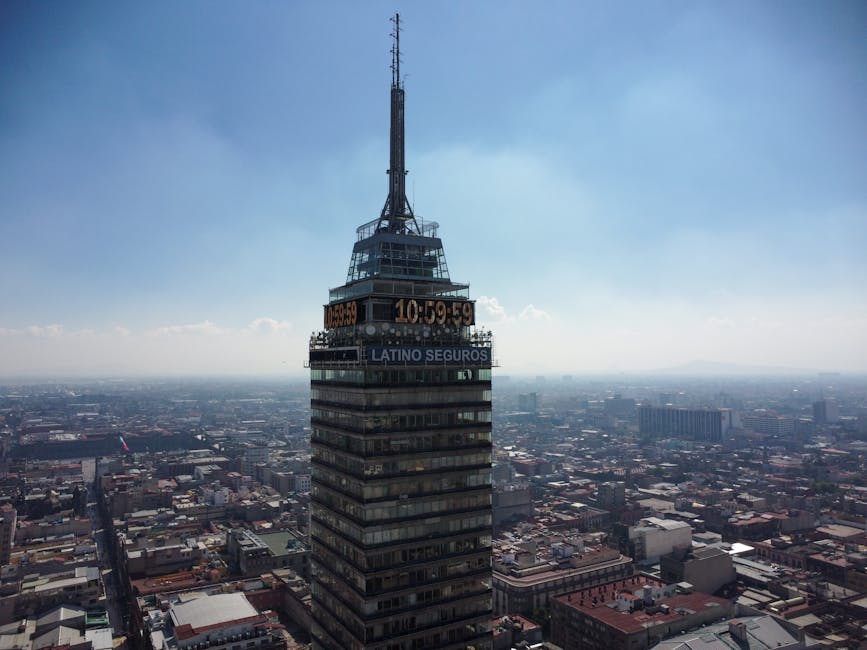
Mexico’s Holiday Calendar: Official Federal Holidays and Cultural Observances
Mexico’s holiday schedule is set under the Federal Labor Law (Ley Federal del Trabajo), which mandates seven official paid days off per year. Beyond those, several commemorative days are recognized by the government but not legally required as paid time off. Then there is the informal layer: cultural events like Dia de Muertos and Las Posadas that are deeply embedded in daily life and workplace rhythms. Mexican workers distinguish clearly between all three, and so should you.
New Year’s Day / Ano Nuevo (January 1)
New Year’s Day is a full federal holiday and universally observed. The celebration kicks off on the night of December 31 with family dinners, twelve grapes at midnight (one for each stroke of the clock), and fireworks. January 1 is a quiet day for rest and family. Expect zero availability from your Mexico-based team on this date.
Constitution Day / Dia de la Constitucion (February 2, 2026 observed)
Constitution Day commemorates the promulgation of the Mexican Constitution of 1917, one of the most progressive labor constitutions in the world at the time of its adoption. The actual date is February 5, but by law it is observed on the first Monday of February (February 2 in 2026). Government offices, banks, and schools close. Many private-sector workers also take this as a long weekend.
Benito Juarez Birthday / Natalicio de Benito Juarez (March 16, 2026 observed)
This federal holiday honors Benito Juarez, Mexico’s first indigenous president and one of its most celebrated national heroes. His actual birthday is March 21, but the observance moves to the third Monday of March (March 16 in 2026). Schools, banks, and government offices close. Observance in the private sector is common but varies by employer. In Mexico City and Oaxaca especially, this day carries cultural weight.
Maundy Thursday / Jueves Santo (April 2, 2026)
Maundy Thursday is an official federal holiday and marks the beginning of the core Semana Santa break. It commemorates the Last Supper of Jesus Christ. Church services are held across the country, and many families begin traveling this day toward beach destinations or hometowns. In practice, much of the Mexican workforce is either traveling or mentally checked out by Jueves Santo.
Good Friday / Viernes Santo (April 3, 2026)
Good Friday is the second official federal holiday of Semana Santa. Processions, Via Crucis reenactments, and solemn masses are held throughout Mexico. Beaches in Cancun, Puerto Vallarta, and Acapulco are packed with domestic travelers. The combination of Jueves Santo and Viernes Santo creates a mandatory four-day minimum break for most of the country.
Labor Day / Dia del Trabajo (May 1)
May 1 is International Workers’ Day and a fully observed federal holiday across Mexico. Labor unions hold rallies in major cities, particularly in Mexico City’s Zocalo. This is one of the more politically visible holidays in Mexico given the country’s strong labor movement history. Expect no availability from your team on this date, white-collar or otherwise.
Independence Day / Dia de la Independencia (September 16)
September 16 is Mexico’s national Independence Day, marking the beginning of the War of Independence in 1810. The evening before (September 15) is when the real action happens: the President delivers the Grito de Independencia from the National Palace balcony in Mexico City, and millions gather in town squares across the country to shout “Viva Mexico!” Fireworks, mariachi, and street festivals run late into the night. September 16 itself is a federal holiday with parades and continued celebration. This is one of Mexico’s highest-pride national days.
Revolution Day / Dia de la Revolucion (November 16, 2026 observed)
Revolution Day commemorates the start of the Mexican Revolution of 1910. The actual date is November 20, but it is observed on the third Monday of November (November 16 in 2026). Military parades, school athletic events (desfiles deportivos), and civic ceremonies mark the day. Banks, schools, and government offices close. Private sector observance is widespread but not universal.
Christmas Day / Navidad (December 25)
Christmas Day is a federal holiday and widely observed, though in Mexican tradition much of the Christmas celebration happens on December 24 (Nochebuena). Families gather for a large late-night dinner, attend midnight mass (Misa de Gallo), and exchange gifts at midnight. December 25 is the quieter follow-up day. Expect limited to no availability on both December 24 (afternoon) and December 25.
Semana Santa / Holy Week (March 29 to April 5, 2026) (cultural observance)
Semana Santa is not a single holiday but a full week-long national pause that goes well beyond the two official federal holidays (Jueves Santo and Viernes Santo). The SEP school calendar gives students a full break from March 30 to April 10 in 2026. Millions of Mexican families travel to coastal resorts, hometown visits, and pilgrimages during this window. Beach destinations like Cancun, Los Cabos, and Puerto Vallarta reach peak occupancy. For employers, the realistic impact is that many Mexican workers take the entire week between Palm Sunday (March 29) and Easter Sunday (April 5) as informal time off, using vacation days or negotiating reduced hours. If your team is Mexico-based, plan around this week entirely rather than expecting normal output from individual days.
Dia de Muertos / Day of the Dead (November 1 and 2) (cultural observance)
Dia de Muertos is Mexico’s most internationally recognized cultural tradition and one of the most emotionally significant events on the calendar. November 1 is Dia de los Angelitos, honoring deceased children. November 2 is the main observance for adults. Together these two days draw families to cemeteries, where they build ofrendas (altars) decorated with marigold flowers (cempasuchil), photos of the deceased, their favorite foods and drinks, candles, and copal incense. The marigold petal paths laid from cemetery entrances to gravesites are believed to guide the spirits home. In Oaxaca, Mexico City, and Janitzaro (Michoacan), the celebrations are especially elaborate and draw visitors from around the world. November 2 is technically an official holiday on the national calendar, though it is classified as a commemorative day rather than a mandatory paid day off. In practice, workers in southern and central Mexico treat it with the weight of a full holiday. Do not expect normal availability on November 1 or 2, particularly from team members in Oaxaca, Puebla, or Michoacan.
Guelaguetza Festival (July 20 and July 27, 2026) (cultural observance)
Guelaguetza is the signature annual festival of Oaxaca, held on the last two Mondays of July. The name comes from the Zapotec word guendalezaa, meaning “offering” or “gift,” and the festival is a celebration of Oaxaca’s 16 indigenous ethnic groups through traditional dance, music, and regional costumes. The main performances are held at the Guelaguetza Amphitheater on Cerro del Fortin in Oaxaca City, with satellite events and community celebrations running throughout the entire month of July. If any of your remote team members are from Oaxaca, expect their attention to be split in the weeks around Guelaguetza. It is a point of deep regional pride.
Las Posadas (December 16 to December 24) (cultural observance)
Las Posadas is a nine-night celebration running from December 16 to December 24, reenacting Mary and Joseph’s search for shelter in Bethlehem. Each night in neighborhoods across Mexico, processions move through the streets with candles, singing traditional posada songs, and sharing ponche (a warm spiced fruit punch) and breaking pinatas. The nine nights represent the nine months of Mary’s pregnancy. Las Posadas is a deeply communal tradition rooted in neighborhood and family life. While it does not typically shut down offices, it creates a festive atmosphere where productivity tapers off significantly in the final week before Christmas. Nochebuena (December 24) is treated as a de facto holiday even though it is not on the official federal list.
Day of the Three Kings / Dia de Reyes (January 6) (cultural observance)
January 6 marks the Feast of the Epiphany, the day the Three Wise Men (Reyes Magos) delivered gifts to the baby Jesus. In Mexican tradition, this is when many children receive their gifts rather than on December 25. Families gather for rosca de reyes, a ring-shaped sweet bread with a small figurine of the baby Jesus baked inside. Whoever gets the figurine in their slice hosts a tamale celebration on February 2. While not a federal holiday, January 6 is a major family day and schools are typically still on winter break. Expect reduced availability from team members with young children.
Dia de la Virgen de Guadalupe (December 12) (cultural observance)
December 12 is the feast day of Our Lady of Guadalupe, the patron saint of Mexico and one of the most venerated religious figures in the country. Millions of pilgrims travel to the Basilica of Our Lady of Guadalupe in Mexico City, making it one of the most-visited Catholic shrines in the world. Serenatas (singing vigils) begin the night of December 11 and run through the early morning of December 12. This is not a federal holiday but it carries enormous spiritual and cultural weight. Workers with strong Catholic devotion may request or take the day off. In Catholic households, December 12 is treated with the same reverence as Christmas.
How to Work with Mexico’s National Holidays as an American Employer
There are a handful of dates where you simply do not plan work. September 16 (Independence Day), May 1 (Labor Day), and the Semana Santa core days (Jueves Santo and Viernes Santo) are non-negotiable. These carry both legal and cultural weight. Scheduling a deadline or a launch on September 15 or 16 signals to your Mexican team that you do not understand the market you are operating in. The same applies to Dia de Muertos on November 1 and 2, particularly for team members in southern Mexico where the observance is most intense. Build these dates out of your sprint planning before the quarter begins, not as a last-minute accommodation.
Semana Santa deserves its own category. Mexico’s school calendar gives children more than a week off, and the cultural expectation is that families travel or spend extended time together. In practice, many Mexican professionals take time between March 30 and April 10 even if their employer has not formally approved PTO. The workaround is simple: set project milestones for the week before (March 23 to 27) and resume expectations the week of April 13. Do not schedule client deliverables, product launches, or major reviews for the first week of April in any year. It is a reliable pressure point that catches unprepared employers by surprise every time.
The loosely observed holidays are where regional differences matter most. Revolution Day (November 16 in 2026) and Benito Juarez Birthday (March 16) are full bank and government holidays, but private-sector compliance varies by company size and sector. Tech workers in Mexico City and Guadalajara often treat these as flex days rather than strict days off. Workers in government-adjacent industries or in more traditional regions may take them fully. If you are managing Latin American remote talent, the safest approach is to ask each team member at the start of the year which commemorative days they plan to observe and build a shared holiday calendar accordingly. This takes five minutes and eliminates scheduling friction for the entire year.
On communication norms: Mexican professionals generally do not check Slack or email on federal holidays and treat the Semana Santa and Christmas-to-New Year’s window as genuinely offline time. This is different from some markets where workers feel obligated to respond even on off days. If your remote team member from Mexico does not respond on a holiday, that is the expected behavior, not a red flag. Establish clear async communication expectations before major holiday windows, particularly heading into Semana Santa and the December 16 to January 6 stretch. If you are building or expanding your Mexico-based team and want a proper briefing on working norms, timezone expectations, and what to look for in candidates, the team at Go Carpathian places vetted remote developers and operations professionals from Mexico and across Latin America. They will walk you through the calendar and the working culture as part of the onboarding process.
Ready to Hire in Mexico?
Go Carpathian connects American companies with pre-vetted remote talent from Mexico and across Latin America. We handle sourcing, vetting, and placement. You get the right person, fast.