

El Salvador packs a rich calendar of Catholic traditions, national milestones, and local patron saint festivals into its year. For American employers managing remote talent here, that calendar is worth understanding. Salvadoran workers take their cultural and religious observances seriously, and knowing which weeks will see slowdowns, full closures, or reduced availability is basic table stakes for managing a cross-border team well.
This page covers every official public holiday in El Salvador plus the major cultural observances that affect availability even when the government has not mandated a day off. If you are working with a Salvadoran employer of record, hiring through a recruiting partner, or building a remote team in Latin America, the dates and context below will help you plan ahead.
Key Insights
- El Salvador observes 17 official public holidays per year, one of the highest totals in Central America and a meaningful factor for any employer managing a remote team here.
- Semana Santa (Holy Week) is the single largest shutdown on the calendar, with most businesses winding down across the full week rather than just the government-mandated days.
- The Fiestas Agostinas holiday cluster (August 1–6) is a de facto national break that cuts into mid-summer availability, even for roles that typically work through standard holidays.
- El Salvador observes both Good Friday and Holy Saturday as official government holidays, creating a back-to-back gap that—combined with Easter Sunday—amounts to three consecutive days off in Q1 or Q2 depending on the year.
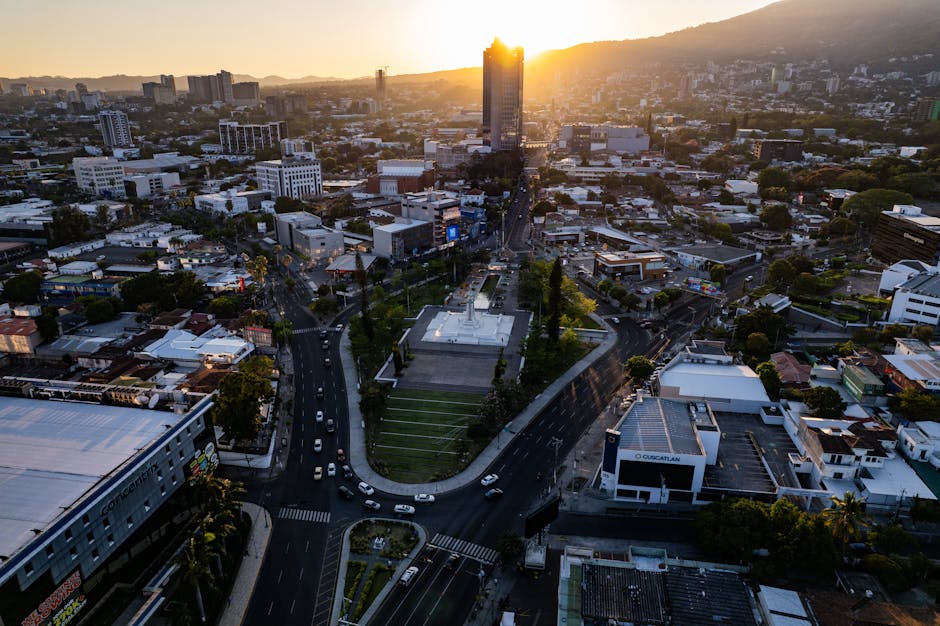
El Salvador
El Salvador’s holiday calendar is shaped by three forces: the Catholic Church, which anchors the most widely observed breaks of the year; national history, which produced Independence Day and Labor Day as firm closures; and a deep tradition of local patron saint festivals that vary by city and town. The result is a year with more meaningful breaks than many American employers expect, concentrated heavily around Easter week and the August Festival.
New Year’s Day (January 1)
El Salvador rings in the new year with family gatherings, fireworks, and late-night celebrations that bleed into January 1. Most businesses and government offices close for the full day. Expect your Salvadoran team members to be offline and unavailable, as this is a nationwide shutdown with no exceptions across public or private sector employers.
Holy Thursday / Jueves Santo (Variable, March or April)
Holy Thursday kicks off the Semana Santa stretch that effectively halts the country. Processions wind through city streets, families travel to visit relatives, and most workplaces either close outright or operate with skeleton crews. In 2025 it falls in mid-April; the exact date shifts annually with Easter. Plan for zero business activity starting this day.
Good Friday / Viernes Santo (Variable, March or April)
Good Friday is one of the most solemnly observed days in El Salvador. Church attendance is nearly universal, and public life goes quiet. Religious processions reenacting the Stations of the Cross are held in towns across the country, some dating back hundreds of years. No work is expected and no business communication should be initiated by employers on this day.
Holy Saturday / Sabado Santo (Variable, March or April)
Holy Saturday is an official public holiday in El Salvador and continues the Semana Santa shutdown. While some families begin Easter preparations and travel back from the coast, the day remains a holiday in the labor law sense. Businesses are closed and workers are not expected to be available.
Easter Sunday / Domingo de Resurreccion (Variable, March or April)
Easter Sunday closes out the Holy Week block. Masses, family meals, and community celebrations are the norm. Many Salvadorans treat the entire period from Holy Thursday through Easter Sunday as a single block of time off, often extending it with the surrounding weekend days. This is the most culturally significant stretch of the year.
Labor Day / Dia del Trabajador (May 1)
Labor Day in El Salvador marks International Workers’ Day with marches, union gatherings, and government-organized events. It is a firm public holiday with nationwide business closures. Unlike the US, where May 1 is a regular workday, your Salvadoran team will not be online and no expectation of availability should be set.
Mother’s Day / Dia de la Madre (May 10)
El Salvador observes Mother’s Day on a fixed date, May 10, rather than the second Sunday in May as in the US. It is an official public holiday, not just a cultural observance. Schools close, many businesses reduce hours or shut entirely, and family celebrations are the priority. Workers expect to spend this day with their mothers and families, not at their desks.
Father’s Day / Dia del Padre (June 17)
Father’s Day in El Salvador is observed on June 17 every year, a fixed date rather than the third Sunday in June. It is a recognized national holiday. While enforcement of business closures is less rigid than for major holidays, many Salvadoran workers will take the day or at minimum leave early. Check in with your team in advance if you have deadlines near this date.
August Festival / Fiestas Agostinas: August 6 (National Holiday) with festivities August 1 to 6
The August Festival is one of the most energetic and widely celebrated events in El Salvador. It honors the Feast of the Divine Savior of the World, the patron saint of San Salvador, with a full week of parades, carnivals, traditional foods like riguas and atol de elote, and nightly concerts. August 6 is the official national holiday, but the festivities run from August 1 and many workers take reduced hours or the full week off. Employers should treat the first week of August as a low-availability period for Salvadoran team members, particularly those based in or near the capital.
Independence Day / Dia de la Independencia (September 15)
September 15 marks El Salvador’s declaration of independence from Spain in 1821. It is celebrated with military parades, marching bands from schools across the country, and patriotic events in every city. Schools and government offices close; private businesses typically follow. It is a proud national holiday with strong attendance at public ceremonies, and workers are fully offline.
All Souls’ Day / Dia de los Difuntos (November 2)
All Souls’ Day is an official public holiday in El Salvador. Families visit cemeteries to clean graves, leave flowers, and share meals in honor of deceased relatives. The tradition blends Catholic observance with deep cultural roots of honoring ancestors. While it is quieter than Semana Santa, it is a genuine day off and workers will not be at their desks.
Christmas Eve / Nochebuena (December 24)
Christmas Eve is an official public holiday in El Salvador and is treated with the same weight as Christmas Day itself. Families gather for a late-night meal called La Cena de Nochebuena, featuring tamales, pavo (turkey), and ponche, a warm fruit punch. Fireworks light up neighborhoods at midnight. Workers are with their families from midday onward at the latest, and no business communication should be expected after noon.
Christmas Day / Navidad (December 25)
Christmas Day is a full public holiday with universal business closures. After the late celebrations of Nochebuena the night before, Christmas Day is restful and family-focused. Gift exchanges, church attendance in the morning, and extended family meals define the day. No work activity should be scheduled or expected.
New Year’s Eve / Nochevieja (December 31)
New Year’s Eve is an official public holiday in El Salvador, closing out a December that runs heavy with family celebrations. Fireworks, music, and community gatherings are the norm. The week between Christmas and New Year’s is generally low-productivity even when not officially a holiday block, so plan accordingly when setting deadlines in late December.
Semana Santa Extended Shutdown (cultural observance, variable, week before Easter)
Beyond the four official days from Holy Thursday through Easter Sunday, Salvadoran workers often treat the full Holy Week as an informal shutdown. Many take Monday through Wednesday off as personal or vacation days, and businesses anticipate this by winding down operations the week before. If your team is based in El Salvador, treat the entire Holy Week as a blackout period for critical deliverables.
Fiestas Patronales: Local Patron Saint Festivals (cultural observance, variable by city)
Every city and town in El Salvador celebrates its own patron saint festival, and these are significant local events. San Miguel’s Carnaval de San Miguel in late November is one of the largest in Central America, drawing hundreds of thousands of attendees and affecting worker availability in the eastern region. Workers from towns with active fiestas patronales may request time off or work reduced hours during their local celebrations. Ask your Salvadoran team members which town they are from and when their local festival falls.
How to work with El Salvador’s national holidays as an American Employer
Four holidays require full days off with no expectation of any availability from your Salvadoran team: Good Friday, Independence Day (September 15), Christmas Eve (December 24), and August 6. These are non-negotiable in the cultural sense even beyond their legal standing. Attempting to schedule calls, set deadlines, or expect Slack responses on these days will frustrate your team and signal that you do not understand the working relationship. Block these dates at the start of every year and build your project milestones around them.
The more loosely observed holidays include Father’s Day (June 17), All Souls’ Day (November 2), and New Year’s Eve (December 31). Workers may be willing to check in or complete urgent tasks on these days if asked in advance and with appropriate appreciation, but do not assume it. Mother’s Day (May 10) falls in a middle category: it is legally a full holiday but enforcement varies by employer. If your Salvadoran team is working through a staffing arrangement, clarify upfront which holidays the arrangement covers and which are at the worker’s discretion.
Communication norms during El Salvador’s major holidays lean toward a full break from professional contact. Salvadoran workers generally do not monitor Slack or email during Semana Santa or the August Festival unless you have an explicit prior agreement and are compensating for it. A good practice: send a brief note before each major holiday period acknowledging the time off, noting when you expect to reconnect, and flagging anything time-sensitive that needs to be wrapped up beforehand. This kind of proactive communication builds trust with your remote team. Avoid sending messages during Good Friday or Christmas Eve even if you are not expecting a reply, as it signals a mismatch in expectations.
If you are sourcing talent through our Latin America talent pool, Go Carpathian briefs you on working norms specific to each country before your hire starts. That includes walking you through which holidays require full coverage alternatives, how to handle holiday pay under local norms, and what communication cadence works for your timezone setup. Whether you are looking for virtual assistant services or more senior operational roles, getting the holiday calendar right from day one saves friction later.
Ready to Hire in El Salvador?
Go Carpathian connects American companies with pre-vetted remote talent from El Salvador and across Latin America. We handle sourcing, vetting, and placement. You get the right person, fast.