

Costa Rica has one of the richest cultural calendars in Latin America, shaped by deep Catholic roots, Spanish colonial history, and a national philosophy centered on well-being known as “Pura Vida.” For American employers managing remote talent from Costa Rica, understanding this calendar is not just a courtesy. It directly affects availability, communication timelines, and team morale. The country has a growing reputation as a remote work hub, but that comes with a distinct set of cultural expectations around time off.
This page covers every official public holiday in Costa Rica plus the major cultural observances that Costa Rican workers treat as meaningful time away from work. Use it to plan your project calendar, set coverage expectations, and avoid scheduling conflicts before they happen.
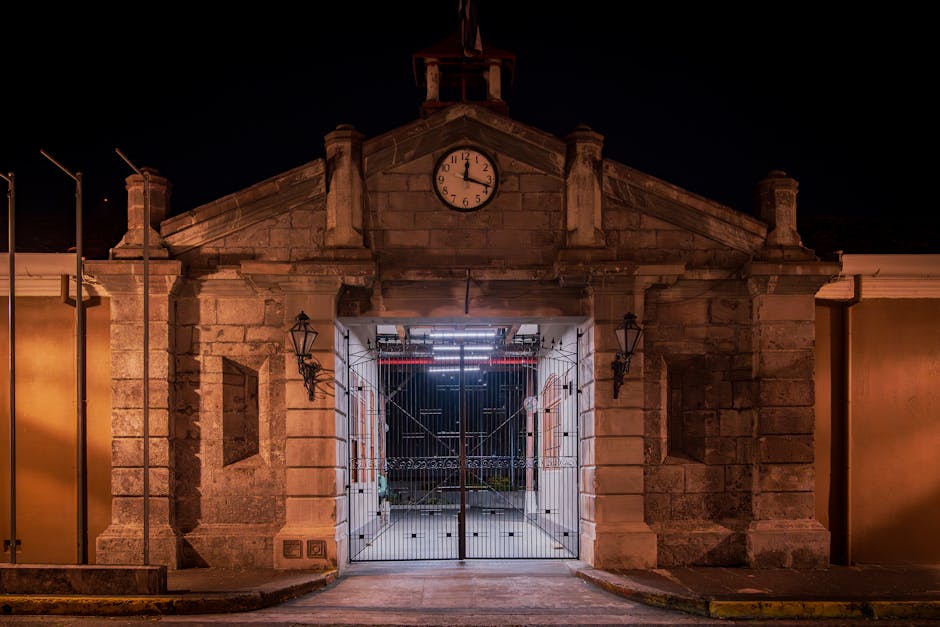
Costa Rica
Costa Rica’s holiday calendar is driven by three forces: the Catholic Church, civic pride, and a strong connection to nature and community. The country is overwhelmingly Catholic, which means religious observances like Semana Santa and the Feast of the Virgin of the Angels carry real cultural weight. National holidays tied to independence and historical figures are also strictly observed. Outside those anchor dates, the “Pura Vida” mindset means workers genuinely disconnect during holidays rather than staying half-available.
New Year’s Day (January 1)
January 1 is a full public holiday across Costa Rica. Most workers spend the preceding night celebrating with family, and January 1 is treated as a full rest day. Businesses, banks, and government offices are closed. Expect minimal responsiveness from your Costa Rican team on this day and plan for a slow ramp-up on January 2.
Semana Santa: Holy Thursday (Variable, March or April)
Semana Santa is the single most important holiday period in Costa Rica. Holy Thursday marks the start of the official shutdown. Many businesses begin winding down mid-week before, and by Thursday most workers are fully offline. This is a non-negotiable pause for the vast majority of Costa Rican workers, regardless of employer.
Semana Santa: Good Friday (Variable, March or April)
Good Friday is one of the most solemnly observed days on the Costa Rican calendar. Public processions reenacting the Stations of the Cross take place throughout the country. Purple flags and decorations hang from homes as a symbol of mourning. Traditional foods appear: empanadas de chiverre (pastries filled with sweetened squash) and seafood dishes replace red meat, following the Catholic tradition of abstinence. Virtually nothing is open.
Semana Santa: Easter Sunday (Variable, March or April)
Easter Sunday caps the Semana Santa period with family gatherings and church attendance. While not an official paid holiday in the same category as Good Friday, it is widely treated as a family day. The entire Semana Santa window from Holy Thursday through Easter Sunday should be considered a four-day blackout for Costa Rican remote workers.
Juan Santamaria Day (April 11)
Juan Santamaria Day honors Costa Rica’s national hero, a young drummer boy who gave his life during the Battle of Rivas in 1856, helping expel American filibuster William Walker from Central America. The day is marked by parades, school ceremonies, and civic events, particularly in Alajuela, Santamaria’s hometown. It is a paid national holiday and businesses are closed.
International Workers’ Day (May 1)
May 1 is Labor Day, a paid public holiday. Workers’ unions and civic organizations hold marches and events in San Jose and other cities. Most private businesses and government offices are closed. Your Costa Rican team will be offline for the full day.
Annexation of Guanacaste Day (July 25)
This holiday commemorates the 1824 annexation of the Guanacaste province from Nicaragua. It is a paid national holiday with particular celebration in the Guanacaste region, where rodeos, traditional music, and folk dancing (including the Punto Guanacasteco, Costa Rica’s national dance) take over the streets. Workers based in the Guanacaste region may be especially unavailable around this date.
Feast of the Virgin of the Angels (August 2)
August 2 honors La Negrita, the patron saint of Costa Rica, at the Basilica de Nuestra Senora de los Angeles in Cartago. This is one of the most widely observed religious events in the country. Hundreds of thousands of pilgrims walk to the basilica, some completing multi-day journeys on foot from San Jose. It is a paid national holiday and carries deep personal meaning for many Costa Rican workers, including remote professionals.
Mother’s Day (August 15)
Costa Rica celebrates Mother’s Day on August 15, which also coincides with the Catholic Feast of the Assumption of Mary. It is a paid public holiday. Family gatherings are central to the day. Expect your team to be fully offline, as this holiday holds strong personal and cultural significance across all age groups and demographics.
Independence Day (September 15)
Costa Rica’s Independence Day marks the country’s declaration of independence from Spain in 1821. It is celebrated with lantern parades the evening of September 14 (the “Desfile de Faroles”), school marching bands, and civic ceremonies throughout the day on September 15. This is a paid national holiday and one of the most visibly celebrated dates on the calendar. Workers are fully offline.
National Cultures Day (October 12)
Formerly called Columbus Day, Costa Rica renamed this holiday Dia de las Culturas (National Cultures Day) to acknowledge the diversity of indigenous, African, and European heritage that shaped the country. It is an official paid holiday. Cultural events and festivals take place, though observance is somewhat more relaxed than the major civic and religious holidays.
Dia de los Difuntos: All Souls’ Day (November 2)
November 2 is Dia de los Difuntos, All Souls’ Day, and is an official paid holiday in Costa Rica. Families visit cemeteries to clean grave sites, place flowers and candles, and attend Catholic masses to pray for the deceased. Altars with photographs and personal items of loved ones are set up in homes. The observance is quieter and more reflective than the Mexican Dia de los Muertos tradition but is taken seriously as a day of family and faith.
Feast of the Immaculate Conception (December 8)
December 8 is a paid religious holiday honoring the Immaculate Conception of the Virgin Mary. It also unofficially kicks off the Christmas season in Costa Rica. Many families put up Christmas decorations on this date, and the evening fills with fireworks, music, and street celebrations. Workers observe this as a full day off.
Christmas Eve (December 24)
Christmas Eve is treated as a full holiday in practice even if not always coded as a paid day off by the letter of the law. Families gather for “la cena de Nochebuena,” a Christmas Eve dinner featuring tamales, rompope (a local eggnog-style drink), and pernil (roasted pork). Most businesses close by midday or earlier. Do not plan meetings or expect responses on December 24.
Christmas Day (December 25)
Christmas Day is a paid public holiday. Church attendance, family meals, and time at home are the norm. Combined with Christmas Eve, the December 24-25 window is a two-day family shutdown. Most remote workers in Costa Rica will be completely offline for both days.
New Year’s Eve (December 31)
New Year’s Eve is widely celebrated with fireworks, family gatherings, and street parties. While not always listed as an official paid holiday, businesses in Costa Rica routinely close early or take the full day off. Combined with January 1, the December 31 to January 1 stretch effectively creates a two-day end-of-year break.
La Griteria Chiquita: Informal Pre-Independence Night (September 14, cultural observance)
The evening of September 14 features the “Desfile de Faroles,” a lantern parade where schoolchildren carry handmade lanterns to mark the eve of Independence Day. It is not a separate paid holiday, but it means workers with children may leave early or be distracted on the afternoon of September 14. Plan accordingly if you have team members in Costa Rica with school-aged children.
Tope Nacional: National Horse Parade (December 26, cultural observance)
The day after Christmas, San Jose hosts the Tope Nacional, one of the largest horse parades in Latin America, drawing riders from across the country. While it is not an official paid holiday, many workers take the day off or operate with reduced focus. It is part of a broader “entre fiestas” period (literally “between holidays”) from December 26 through December 31, where productivity drops significantly across the country.
Entre Fiestas Period (December 26-30, cultural observance)
The last week of December is known informally as “entre fiestas” in Costa Rica. Businesses may be open but are minimally staffed. Many workers take vacation during this stretch by choice or employer custom. If you have Costa Rican team members, the entire week between Christmas and New Year should be treated as a soft shutdown period with very limited availability.
How to work with Costa Rica’s national holidays as an American Employer
Three stretches of the year require full blackout planning. Semana Santa is the biggest: Holy Thursday through Easter Sunday is a genuine four-day shutdown, and many Costa Rican workers start winding down in the days before. Trying to schedule calls, expect deliverables, or push projects through Semana Santa will create friction. Plan around it entirely. The second blackout window is December 24 through January 1. The “entre fiestas” culture means the last week of December is effectively dead regardless of what the official holiday calendar says. The third is August 2, the Feast of the Virgin of the Angels, which is a deeply personal religious day that draws hundreds of thousands of pilgrims to Cartago. Your remote developer or assistant may be one of them.
Several holidays are observed more loosely and may offer partial availability depending on your worker’s role and relationship with their family obligations. Juan Santamaria Day (April 11), National Cultures Day (October 12), and La Griteria on September 14 are days where you might get a response but should not depend on it. Independence Day (September 15) tends to be fully observed regardless of role. When in doubt, ask your Costa Rican team member directly two weeks in advance. The cultural norm is honesty about availability, not overpromising.
On the communication side, Costa Rican professionals generally do not monitor Slack or email during official holidays, especially the major ones. This is not a professionalism issue. It reflects the “Pura Vida” value system, where time with family and genuine rest are treated as real commitments. What does work: give a heads-up one to two weeks before a major holiday if you need something completed before the break. Most Costa Rican remote workers will prioritize finishing open tasks before going offline, especially if they know a deadline is real. Returning to work after holidays is typically immediate. Monday after a holiday is a full workday.
If you are building a Costa Rican team and want to get ahead of scheduling gaps, Go Carpathian can help. We place vetted remote talent from our Latin America talent pool and brief you on working norms before day one. Whether you need web developers or operations support, we match you with candidates who fit your workflow, not just your job description.
Ready to Hire in Costa Rica?
Go Carpathian connects American companies with pre-vetted remote talent from Costa Rica and across Latin America. We handle sourcing, vetting, and placement. You get the right person, fast.