

Bulgaria has one of the most distinctive holiday calendars in Eastern Europe. It blends Eastern Orthodox Christianity, centuries of national history, and folk traditions that predate Christianity itself. For American employers managing remote talent in Bulgaria, this calendar matters. Many observances are legally protected non-working days, and a few carry cultural weight far beyond what a government decree could capture. Understanding when your team is offline, and why, is how you build a working relationship that actually works.
Bulgaria’s IT and outsourcing sector has grown rapidly, making it a top destination for remote hiring across software development, customer support, and digital services. This page breaks down every official public holiday plus the major cultural observances your remote employees observe. Use it to plan deadlines, set coverage expectations, and avoid scheduling conflicts before they happen.
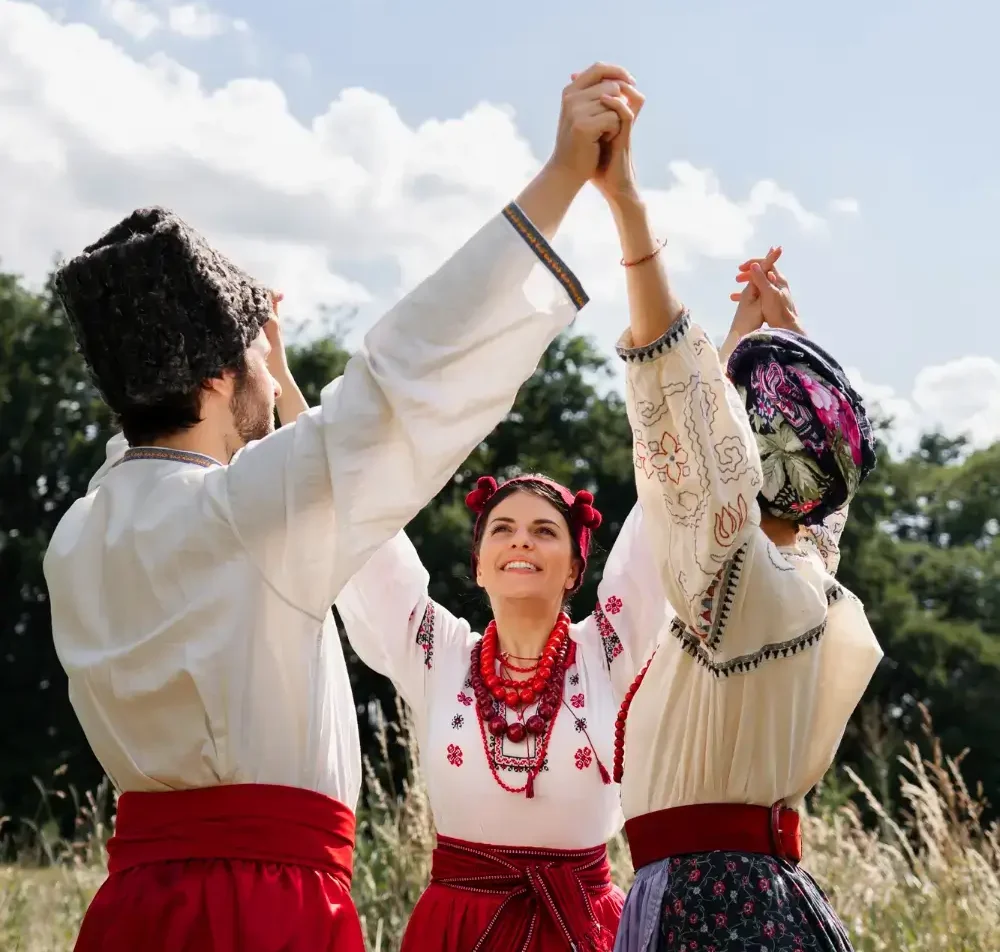
Bulgaria
Bulgaria’s holiday calendar is shaped by three distinct forces: Eastern Orthodox Christianity, the country’s hard-won national independence, and pre-Christian folk traditions still practiced today. The Bulgarian Orthodox Church adopted the revised Julian calendar in 1963, so Christmas falls on December 25 just as it does in the West. Orthodox Easter, however, is calculated differently and often falls on a separate date from Western Easter. National holidays commemorate liberation from Ottoman rule, political unification, and the creation of the Cyrillic alphabet. Together, these give Bulgaria 13 official public holidays per year, among the highest counts in the EU.
New Year’s Day (January 1)
January 1 marks the start of the new year and is a public holiday throughout Bulgaria. Most Bulgarians spend the evening of December 31 with family and close friends, gathering around midnight with traditions meant to bring luck and health into the coming year. The following day is quiet and largely personal.
Baba Marta / Martenitsa Day (cultural observance) (March 1)
March 1 is one of the most beloved days on the Bulgarian cultural calendar, though it is not an official public holiday and offices remain open. On this day, Bulgarians exchange martenitsi: small decorative pieces of red and white twisted thread symbolizing health, happiness, and the coming of spring. The most traditional form depicts two small figures called Pizho and Penda. Recipients wear the martenitsa on their wrist or clothing until they spot the first stork or blossoming fruit tree of spring, then tie it to a tree branch as an offering for good luck. The tradition dates to the founding of Bulgaria in 681 AD. Do not be surprised if your Bulgarian team members arrive at their desks on March 1 already wearing martenitsi, which colleagues exchange freely throughout the day.
Liberation Day (March 3)
March 3 is Bulgaria’s National Holiday, commemorating the 1878 Treaty of San Stefano that ended nearly 500 years of Ottoman rule. It is a public holiday with official ceremonies, flag displays, and patriotic events held across the country. Most Bulgarians observe it with quiet national pride rather than large gatherings, though official ceremonies at the National Assembly and monuments draw public attention.
Orthodox Good Friday (variable)
Good Friday is a public holiday in Bulgaria and marks the beginning of the Orthodox Easter long weekend. It is a solemn day of mourning for the crucifixion of Jesus Christ. Church services are held throughout the evening, and many Bulgarians attend liturgical processions with the epitaphios. Expect your team to be offline and largely unavailable for the full Easter period starting on Good Friday.
Orthodox Holy Saturday (variable)
Holy Saturday is a public holiday and the quietest day of the Orthodox Easter weekend in Bulgaria. It is a day of waiting and preparation, with many families baking kozunak, a sweet braided Easter bread, and painting hard-boiled eggs in red and other colors. The red egg is the most important symbol: it represents the blood of Christ and the promise of resurrection.
Orthodox Easter Sunday (variable)
Orthodox Easter Sunday is the single most important holiday in Bulgaria. Families attend midnight liturgy on Saturday night, where priests and congregants carry candles and greet each other with “Hristos Voskrese” (Christ is risen), answered by “Voistinu Voskrese” (Truly He is risen). The celebration continues into Sunday with a large family feast featuring lamb, kozunak, and red eggs. Cracking eggs together at the table is a beloved ritual, and the person whose egg survives the longest is said to have good fortune for the year. Key dates: April 20, 2025; April 12, 2026.
Orthodox Easter Monday (variable)
Easter Monday is a public holiday in Bulgaria and typically a continuation of the family Easter celebration. Many Bulgarians visit relatives they did not see on Sunday, and the day remains festive but more relaxed. The four-day Orthodox Easter period from Good Friday through Easter Monday is functionally a full shutdown for most Bulgarian businesses.
Labour Day (May 1)
May 1 is Labour Day, a public holiday celebrating workers’ rights. It has roots in communist-era traditions but is now observed as a general spring holiday. Many Bulgarians use the day for outdoor gatherings, picnics, and travel, particularly when it falls near a weekend.
St. George’s Day / Armed Forces Day (May 6)
May 6, known as Gergyovden, is one of the most celebrated name days in Bulgaria and a public holiday. It honors St. George, patron saint of shepherds, warriors, and agriculture, and also marks the Day of the Bulgarian Armed Forces. The traditional observance involves preparing and eating a whole roasted lamb, a practice with deep roots in Slavic and pre-Christian pastoral culture. Gergyovden is also one of the most common name days: anyone named Georgi, Gergana, or related variants celebrates. Expect a festive, somewhat informal atmosphere around this date.
Day of Cyril and Methodius (May 24)
May 24 celebrates the creation of the Glagolitic and Cyrillic alphabets by Saints Cyril and Methodius in the ninth century. Known officially as the Day of Bulgarian Education, Culture, and Slavic Literature, it is a public holiday with particular significance to educators, students, and anyone in academia or publishing. Schools hold special programs and processions with portraits of the two saints. For the broader workforce it is simply a day off, but it carries real cultural pride across generations.
Unification Day (September 6)
September 6 commemorates the 1885 unification of the Principality of Bulgaria with Eastern Rumelia, reuniting Bulgarian territory divided by the Treaty of Berlin. It is a public holiday observed with official ceremonies and is often seen as a companion to Liberation Day on March 3. Practical impact on work schedules is moderate, similar to Liberation Day.
Independence Day (September 22)
September 22 marks Bulgaria’s declaration of full independence from the Ottoman Empire in 1908. It is a public holiday with official state ceremonies. Like other national days, it tends to be loosely observed in professional settings, though government offices and many businesses close.
National Awakeners Day (November 1)
November 1 is the Day of the Bulgarian Enlighteners, honoring historical figures who shaped Bulgarian culture, literature, education, and national identity during the National Revival period of the 18th and 19th centuries. It is a public holiday specifically designated for educational institutions, so schools, universities, and cultural organizations close. Many private businesses remain open, though some employees take the day off. Worth confirming availability with your team around this date.
Christmas Eve (December 24)
December 24 is a public holiday in Bulgaria. Christmas Eve is traditionally observed with a large family dinner featuring an odd number of vegetarian dishes, a ritual tied to Advent fasting practices that predate modern customs. Dishes often include stuffed peppers, beans, dried fruit, and nuts. Koleda carolers, known as koledari, go house to house starting at midnight singing traditional songs. The evening is family-focused and businesses close for the day.
Christmas Day (December 25)
December 25 is a public holiday. The Bulgarian Orthodox Church adopted the revised Julian calendar in 1963, so Christmas in Bulgaria falls on the same date as in the West, not in January as in some other Orthodox countries. The day is celebrated with family gatherings, festive meals including kozunak and roasted meats, and gift-giving. Most Bulgarians are fully offline December 24 through 26.
Second Day of Christmas (December 26)
December 26 is a public holiday. Known as the Second Day of Christmas, it extends the celebration with visits to extended family and friends. The Christmas period of December 24 through 26 functions as a three-day shutdown across most of Bulgarian society, comparable in scope to what American employers experience over Thanksgiving.
How to work with Bulgaria’s national holidays as an American Employer
The most important thing to internalize upfront: Orthodox Easter is not the same date as Western Easter, and this matters practically. American employers typically plan around the Western Easter weekend in late March or April. Bulgaria’s Orthodox Easter is calculated using a different method and often falls one to five weeks later. In 2025, Orthodox Easter falls on April 20. In 2026, it falls on April 12. These dates should be on your project calendar long in advance. The four-day stretch from Good Friday through Easter Monday is the closest equivalent Bulgaria has to a full national shutdown. Your team is offline. Treat it like Thanksgiving week and plan accordingly.
The non-negotiable days are clear. The four Orthodox Easter days, Christmas Eve through December 26, New Year’s Day, Liberation Day on March 3, St. George’s Day on May 6, and May 24 all carry legal weight and strong cultural buy-in. Scheduling deadlines or launch days on any of these is a mistake. Bulgarian Labour Code requires at minimum double pay for any work performed on a public holiday, and most remote contractors will simply not be available regardless of rate.
Days like September 6 (Unification Day) and September 22 (Independence Day) are official public holidays but tend to be more loosely observed in tech and remote work environments. Some team members take the day, others work. A quick check with your team in advance is worth the thirty seconds it takes. November 1, National Awakeners Day, is specifically designated for educational institutions and is commonly skipped by private-sector workers, though not universally. Confirm with your specific team members.
Baba Marta on March 1 is not a public holiday, but it is culturally significant. Your Bulgarian team will be exchanging martenitsi with colleagues and family throughout the day. It will not affect deliverables, but acknowledging it as an American employer goes a long way. A simple message recognizing the tradition earns real goodwill. That kind of cultural awareness is exactly what separates employers who retain great remote talent from those who cycle through it. Go Carpathian helps American companies source and place pre-vetted talent through our Eastern Europe talent network, and part of our job is helping you understand these nuances before they become scheduling problems.
If you’re building a distributed team that includes web developers or other technical roles in Bulgaria, the best practice is to share a merged calendar at the start of every quarter. Include both the US holidays your company observes and Bulgarian public holidays. Build coverage plans for the Easter period and the Christmas-to-New-Year stretch well in advance. Flexibility on both sides is what makes cross-border remote work sustainable.
Ready to Hire in Bulgaria?
Go Carpathian connects American companies with pre-vetted remote talent from Bulgaria and across Eastern Europe. We handle sourcing, vetting, and placement. You get the right person, fast.