

Brazil has one of the richest cultural calendars in Latin America, shaped by centuries of Indigenous, Portuguese, and African traditions blending into a national identity that’s as vibrant as it is deeply felt. For any American employer managing remote talent from Brazil, understanding that calendar isn’t optional — it’s essential to building a team that actually works well together.
This page covers every official public holiday in Brazil for 2026, plus the major cultural observances that function like holidays even when they’re not on the government list. If you’re working with Latin American remote talent, Brazil’s schedule will shape your Q1 planning more than any other country on the continent.
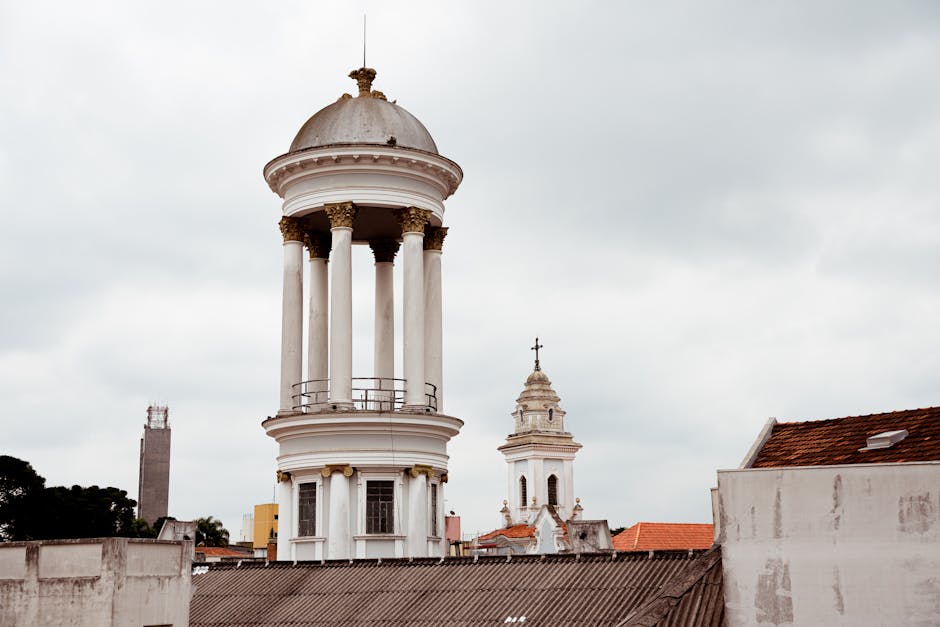
Brazil’s 2026 Holiday Calendar
Brazil’s holiday calendar is a mix of Catholic feast days inherited from Portuguese colonization, secular national commemorations, and African-rooted celebrations that have become central to Brazilian identity. The result is a calendar with roughly 12 national public holidays, several of which cluster in the first and last quarters of the year, plus an extended Carnival period in February that effectively shuts down the country for a week.
New Year’s Day (January 1)
Ano Novo is a full national public holiday in Brazil, and the celebration actually starts the night before. Reveillon is one of the most famous New Year’s Eve events in the world, with millions gathering on Copacabana beach in Rio de Janeiro dressed in white — a tradition rooted in Candomble and Umbanda spirituality, symbolizing peace and a fresh start. Most workers take January 1 off completely, and productivity through the last week of December is typically low as the festive mood builds.
Carnival Week (cultural observance — not an official public holiday) (February 13-17, 2026)
Carnival is technically classified as a ponto facultativo — an optional federal holiday — but in practice it functions as a complete national shutdown. The official Carnival period in 2026 runs from Friday, February 13 through Tuesday, February 17, with Ash Wednesday falling on the 18th. In Rio de Janeiro and Salvador, Bahia, the celebrations begin even earlier, with street parties (blocos) filling neighborhoods from late January onward. Banks, government offices, schools, and the vast majority of private businesses close for the full week. Brazilian workers across all industries treat this as non-negotiable time off, and it would be deeply unusual — and damaging to morale — to expect otherwise. Slack messages go unread. Emails go unanswered. Plan for zero output during Carnival week.
Good Friday (April 3, 2026)
Sexta-feira Santa is a national public holiday across Brazil, observed with Mass, processions, and fasting in Catholic communities throughout the country. It’s one of the two most widely observed religious holidays in Brazil alongside Christmas. Most businesses close, and the preceding Holy Thursday is often treated as a half-day or informal holiday as well. Workers in smaller cities and towns tend to observe Good Friday more strictly than those in major metro areas like Sao Paulo.
Tiradentes Day (April 21)
Tiradentes Day commemorates Joaquim Jose da Silva Xavier, known as “Tiradentes,” a Brazilian revolutionary who was executed in 1792 for leading an early independence movement against Portuguese colonial rule. He’s considered a national martyr and hero, and April 21 is a full public holiday. Government offices, banks, and schools are closed. Private sector businesses vary — some observe it fully, others treat it as a partial workday — but it’s officially recognized nationwide.
Labour Day (May 1)
Dia do Trabalho is a national public holiday in Brazil, observed consistently across all sectors. As in most of Latin America, May 1 is associated with workers’ rights and labor union history, and it carries real cultural weight. Most businesses close, and workers expect the day off. It’s rarely a source of ambiguity — this one is non-negotiable.
Corpus Christi (June 4, 2026)
Corpus Christi is a Catholic feast day celebrated 60 days after Easter Sunday, honoring the Eucharist. In Brazil, it’s a federal public holiday, with many towns creating elaborate sand or sawdust carpets in front of churches for the procession. Government offices and banks close. Private companies in more secular urban centers like Sao Paulo sometimes treat it as a working day or partial holiday, so observance varies more than other federal holidays.
Festa Junina Season (cultural observance — not an official public holiday) (June throughout)
Festa Junina is Brazil’s second-biggest celebration after Carnival, running throughout June in honor of Saint Anthony (June 13), Saint John the Baptist (June 24), and Saint Peter (June 29). Rooted in the Northeastern states of Bahia, Pernambuco, and Piaui, the festivals now take place nationwide, featuring quadrilha folk dancing, forró music, traditional foods like canjica (sweet corn porridge), pamonha, and bolo de milho, and mock wedding ceremonies. Workers in the Northeast may take informal time off around the major dates, particularly June 24. It’s not a shutdown the way Carnival is, but for team members from the Northeast, June is culturally significant and worth flagging on your calendar.
Independence Day (September 7)
Dia da Independencia commemorates Brazil’s declaration of independence from Portugal on September 7, 1822, by Dom Pedro I. It’s a full national public holiday marked by military parades, civic ceremonies, and regional festivals across the country. Banks, government offices, and schools are closed. Private sector observance is near-universal. In recent years, the date has also become associated with large political gatherings in major cities, which can affect public transit and urban logistics.
Our Lady of Aparecida (October 12)
Nossa Senhora Aparecida is the patron saint of Brazil, and October 12 is a national public holiday honoring her. The Basilica of the National Shrine of Our Lady of Aparecida in Aparecida, Sao Paulo state, draws millions of pilgrims annually, making it the second most visited Catholic shrine in the world after the Vatican. The holiday coincides with Children’s Day in Brazil (Dia das Criancas), giving it a double significance. Most businesses close, and families typically spend the day together. Observance is strong across all regions.
All Souls’ Day / Dia de Finados (November 2)
Dia de Finados is a national public holiday in Brazil and carries far more cultural weight than its equivalent in the United States. Brazilians visit cemeteries in large numbers to honor deceased relatives, bringing flowers and holding candlelight vigils. In some regions, particularly in the Northeast, the observance extends through the surrounding days, with families gathering for meals and prayers. The day before (November 1, All Saints’ Day) is not a federal holiday but is observed in some municipalities. Most workers treat November 2 as a full day off with family.
Republic Day (November 15)
Proclamacao da Republica marks the date in 1889 when Brazil transitioned from a constitutional monarchy to a republic. It’s a full national public holiday, with government offices, banks, and schools closed. Private sector observance is generally consistent. The holiday falls between the more emotionally resonant holidays of November — Dia de Finados and Black Awareness Day — and while it doesn’t carry the same cultural intensity, it’s reliably observed.
Black Awareness Day / Dia da Consciencia Negra (November 20)
November 20 honors Zumbi dos Palmares, the leader of the Quilombo dos Palmares — a community of escaped enslaved people — who was killed by Portuguese colonial forces in 1695. The holiday, also called Dia de Zumbi e da Consciencia Negra, recognizes Brazil’s African heritage and the ongoing struggle for racial equality. It became a national public holiday in 2023. Observance is strong, particularly in cities with significant Afro-Brazilian communities like Salvador, Rio de Janeiro, and Recife. Expect full business closures in most sectors.
Christmas Day (December 25)
Natal is a full national public holiday and one of the most important celebrations in Brazil. Christmas Eve (Ceia de Natal) on December 24 is when most of the main family celebration happens — a large dinner gathering similar to American Thanksgiving in terms of cultural weight. The traditional Christmas meal often includes bacalhau (salted codfish), pernil (roast pork leg), and rabanada (a Brazilian French toast). Most businesses operate on a reduced schedule December 24 and close fully on December 25. Many Brazilian workers also take the week between Christmas and New Year off.
Reveillon / New Year’s Eve Copacabana (cultural observance — not an official public holiday) (December 31)
While New Year’s Day (January 1) is the official public holiday, Reveillon on December 31 is when the real celebration happens. The Copacabana beach concert and fireworks display in Rio draws two million or more people annually, with attendees dressed in white as an offering to Iemanja, the Afro-Brazilian goddess of the sea. Flowers and small boats with candles are sent into the water at midnight. Productivity on December 31 is effectively zero, and many workers take it as an informal holiday. Plan for no meaningful output in the final week of December across the board.
How to work with Brazil’s national holidays as an American Employer
Carnival week is the single most important planning consideration for anyone managing Brazilian remote workers. Unlike Colombia’s Independence Day or Argentina’s national holidays — where you might get a heads-up email and light coverage — Carnival is a complete shutdown. The period runs from Friday, February 13 through Tuesday, February 17 in 2026, but Brazilian workers in cities like Rio de Janeiro and Salvador are often mentally checked out by the Monday before. No deliverables, no responses, no exceptions. Block this off in your project management tool the same way you’d block off a US federal shutdown. Any deadline that falls in this window needs to be moved at least a week before Carnival starts.
Outside of Carnival, Brazil has several additional dates that vary in how strictly they’re observed depending on the worker’s region, company, and sector. Corpus Christi (June 4) is technically a federal holiday but is treated loosely in Sao Paulo’s private sector — some workers will be available, others won’t. Tiradentes Day (April 21) and Republic Day (November 15) are similarly variable. The safest approach is to ask your specific team members a week in advance what their plans are for these dates rather than assuming either full availability or full absence. Black Awareness Day (November 20) is newer as a federal holiday and observance is still normalizing — workers in the Northeast and Rio will treat it as a real day off, while those in corporate Sao Paulo settings may have more availability.
Brazilian workers are warm and relationship-oriented, but during holidays — especially Carnival — communication norms shift significantly. Don’t expect Slack to be checked. Don’t expect emails to be acknowledged. This isn’t rudeness or disorganization; it’s a cultural norm that applies from junior employees to senior professionals. The week leading into Carnival, productivity begins to drop noticeably as blocos (street parties) start and workers shift into celebration mode. If you have time-sensitive work, front-load it to the week of February 2-6, 2026. After the holiday, Brazilians return ready to work, but give teams a day to fully reset before expecting full output on Ash Wednesday (February 18).
Go Carpathian places pre-vetted remote developers and other professionals from Brazil and across Latin America, and part of what we do is brief you on exactly these working norms before your hire’s first day. If you’re building a Brazilian team and want a clear picture of the holiday schedule, communication expectations, and how to structure contracts around ponto facultativo days, we can walk you through it. It takes about 15 minutes and saves a lot of friction down the road.
Ready to Hire in Brazil?
Go Carpathian connects American companies with pre-vetted remote talent from Brazil and across Latin America. We handle sourcing, vetting, and placement. You get the right person, fast.