

Argentina has one of the more complex holiday calendars in Latin America. More than a dozen official public holidays, government-declared “puente” (bridge) days that stretch long weekends, and deeply rooted cultural observances all shape how people work and rest throughout the year. If you manage a remote employee or contractor from Argentina, knowing what’s coming and which days are non-negotiable makes scheduling far less stressful.
Whether you’re managing a virtual assistant based in Buenos Aires or a full-time remote specialist sourced through Latin American remote talent networks, planning around Argentina’s holiday schedule helps you set realistic expectations, avoid project delays, and build the kind of trust that makes long-distance working relationships stick. The good news: Argentina’s holiday calendar is largely predictable, and once you know it, it’s easy to plan around.
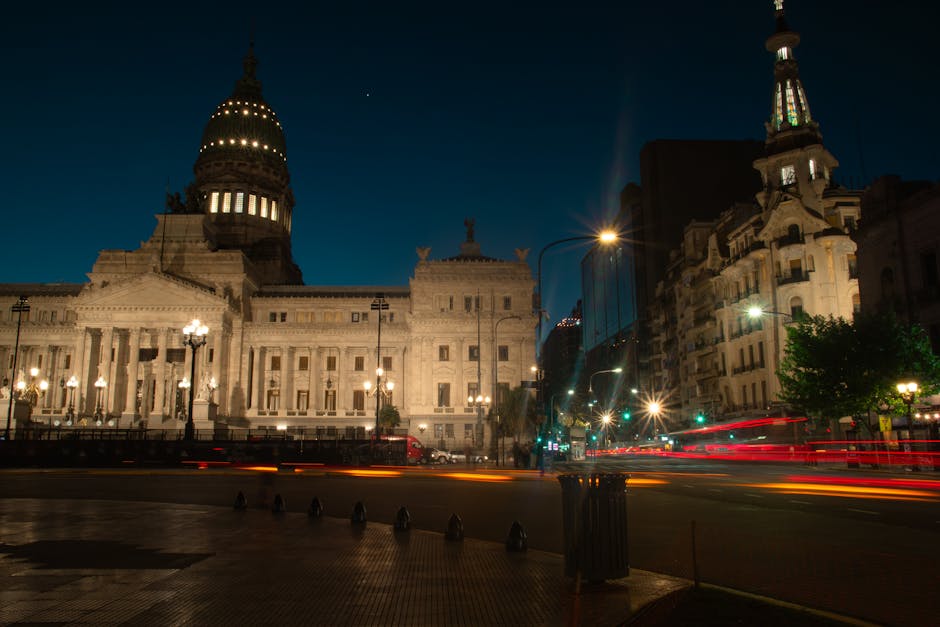
Argentina National Holiday Calendar 2026
Argentina observes 15+ official public holidays in 2026, a mix of fixed (inamovibles) and transferable (trasladables) holidays, plus three government-declared tourist bridge days. The calendar clusters heavily around February-April (Carnival and Holy Week), July (Independence), and December, creating several extended long weekends across the year. Below is every official holiday and major cultural observance, with context on what each one actually means for life and work in Argentina.
New Year’s Day (January 1)
New Year’s Day is a fixed national holiday across Argentina. The night of December 31 is typically spent with family or friends, often with a late asado and fireworks at midnight, which means January 1 is a genuine recovery day — expect your team to be fully offline. Some Argentine workers take informal leave around this period stretching from Christmas through the first week of January, especially in industries where year-end slowdowns are common.
Carnival Monday (February 16)
Carnival Monday is a fixed national public holiday. Argentina is one of the few Spanish-speaking countries that officially recognizes Carnival as a two-day paid holiday, a nod to the country’s strong Carnival traditions particularly in the northeastern provinces. In Buenos Aires, murga groups — brightly costumed street theater performers — take over neighborhood streets with drums, dancing, and satire that dates back to the 19th century.
Carnival Tuesday (February 17)
Carnival Tuesday (Shrove Tuesday) is the second day of Argentina’s official Carnival holiday. Together with Carnival Monday, this creates a four-day long weekend when combined with the preceding weekend, making mid-February one of the biggest domestic travel periods of the year. Workers in most sectors will be offline for both days, and productivity typically dips in the week leading up to Carnival as well.
Tourist Bridge Day (March 23)
This is a government-declared non-working day (dia no laborable con fines turisticos), not a traditional public holiday, but it effectively functions like one for most private-sector workers. It sits directly before the Day of Memory on March 24, creating a four-day long weekend. Compliance varies — some employers treat it as optional, while others close entirely. Check with your team member well in advance.
Day of Memory for Truth and Justice (March 24)
This is one of Argentina’s most significant and emotionally resonant holidays. It commemorates the 1976 military coup that launched a brutal dictatorship responsible for the forced disappearance of an estimated 30,000 people. Observed with marches, memorials, and acts of public remembrance, this is a non-negotiable day off across virtually all sectors. It is not a day for business communications.
Malvinas Veterans and Fallen Soldiers Day (April 2)
April 2 marks the anniversary of Argentina’s 1982 landing on the Falkland/Malvinas Islands, and honors those who fought and died in the conflict with the United Kingdom. It is a fixed national holiday observed solemnly, not as a celebration but as a day of remembrance and national identity. Expect your team to be offline, and avoid scheduling major deadlines or launches around this date.
Good Friday (April 3)
Good Friday is a fixed national public holiday in Argentina, a predominantly Catholic country where Holy Week carries deep religious and cultural significance. Many Argentines travel during Semana Santa (Holy Week), making the period from April 2 through April 5 effectively a four-day holiday weekend. It is one of the highest-traffic travel periods of the year, and remote workers in most industries will be fully offline.
May Revolution Day (May 25)
May 25 commemorates the May Revolution of 1810, when a local government junta replaced the Spanish viceroy in Buenos Aires — the first step toward Argentine independence. It is a fixed national holiday celebrated with civic events, school parades, and traditional foods like locro (a hearty stew historically associated with patriotic gatherings). In 2026, May 25 falls on a Monday, making it a natural long weekend.
General Guemes Day (June 15)
This transferable holiday honors Martin Miguel de Guemes, a gaucho general who defended Argentina’s northwestern frontier during the independence wars. The actual date of his death was June 17, but in 2026 the holiday is transferred to Monday, June 15, to create a long weekend. It is especially significant in the province of Salta, where Guemes is a beloved regional hero celebrated with processions and gaucho displays.
General Belgrano Day (June 20)
June 20 honors Manuel Belgrano, creator of the Argentine flag and one of the leading figures of the independence movement. It is a fixed national holiday falling on a Saturday in 2026, which means it does not generate an automatic long weekend, but it is still widely observed. Flag Day ceremonies take place in the city of Rosario, where Belgrano first raised the flag in 1812, and in schools and civic spaces across the country.
Independence Day (July 9)
July 9 is Argentina’s most prominent national celebration, marking the formal Declaration of Independence from Spain in 1816 in the city of Tucuman. It is a fixed national holiday with parades, official ceremonies, and widespread public festivities. In 2026, it falls on a Thursday, and the government has declared July 10 (Friday) a tourist bridge day, creating a four-day long weekend and one of the biggest travel surges of the year.
Tourist Bridge Day (July 10)
The government-declared bridge day on July 10 extends Argentina’s Independence Day holiday into a four-day weekend (July 9-12). Like other bridge days, compliance varies by employer, but in practice the majority of the Argentine workforce treats this as a full day off. Plan accordingly if you are working with Argentine contractors or full-time remote staff — productivity the week of July 6-10 is often reduced on both sides of the long weekend.
General San Martin Day (August 17)
This transferable holiday honors Jose de San Martin, Argentina’s national hero and liberator of Argentina, Chile, and Peru. In 2026, the holiday is observed on Monday, August 17. San Martin Day is taken seriously across Argentina — expect your team to be offline, and flag it on your project calendar well in advance. It falls in Argentina’s winter, a quieter period for domestic travel but still a genuine holiday for most workers.
Day of Respect for Cultural Diversity (October 12)
This holiday replaced the former Columbus Day (Dia de la Raza) in 2010, reframing the occasion to acknowledge and honor Argentina’s indigenous cultures and the diversity that defines the country. In 2026 it falls on a Monday, creating a natural long weekend. While the cultural debate around this date continues in Argentina, it functions as a standard national holiday in terms of workforce availability — most workers take the day off.
National Sovereignty Day (November 23)
National Sovereignty Day commemorates the Battle of Vuelta de Obligado (November 20, 1845), in which Argentine forces resisted a combined Anglo-French naval intervention on the Parana River. In 2026, the holiday is transferred to Monday, November 23, to create a long weekend. It is observed more quietly than the major independence and military holidays, but still represents a full day off for most workers.
Tourist Bridge Day (December 7)
The third and final government-declared bridge day of 2026 falls on Monday, December 7, connecting directly to the Immaculate Conception holiday on December 8. This creates another four-day long weekend heading into the holiday season. As with all bridge days, private-sector compliance varies, but most Argentine employees — especially those in service and knowledge-work sectors — will be offline.
Immaculate Conception Day (December 8)
December 8 is a fixed national holiday honoring the Immaculate Conception of the Virgin Mary, reflecting Argentina’s Catholic heritage. It marks the beginning of the holiday season in earnest, with many Argentines decorating for Christmas around this time. Combined with the December 7 bridge day, this creates a long weekend that kicks off a period of reduced productivity that typically runs through the new year.
Christmas Day (December 25)
Christmas is a fixed national public holiday and one of the most important family occasions on the Argentine calendar. Celebrations are typically held on the night of December 24 (Nochebuena), with a late family dinner and fireworks at midnight — meaning December 25 is a day of rest. Many Argentine workers take informal leave between Christmas and New Year, and productivity in the final week of December is generally low across most industries.
Gualeguaychu Carnival (January through March, cultural observance — not an official public holiday)
The Carnival of Gualeguaychu, held in the Entre Rios province city of the same name, is widely considered the biggest carnival in Argentina and one of the largest in Latin America. Running every weekend from January through early March at the city’s purpose-built corsodrome, it features elaborate floats, thousands of dancers, and competing comparsas (carnival groups) who spend months rehearsing their performances. Workers from the region or with family ties to Entre Rios may travel for it, and the cultural energy around Carnival throughout Argentina builds significantly from late January onward.
Fiesta Nacional de la Vendimia — Mendoza (Late February / Early March, cultural observance — not an official public holiday)
The National Grape Harvest Festival in Mendoza is one of Argentina’s most beloved regional events, celebrating the end of the wine harvest in the country’s most famous wine-producing province. Each department in Mendoza elects a representative to compete for the title of Queen of Vendimia, culminating in a massive open-air ceremony with fireworks, music, theatrical performances, and wine. If you have team members based in Mendoza or western Argentina, the week of the festival — typically late February or the first weekend of March — may see reduced availability.
Asado Culture and Long Weekend Traditions (Year-round, cultural observance — not an official public holiday)
In Argentina, the asado (traditional barbecue) is not just a meal — it is a social institution. Long weekends, national holidays, and family milestones are almost universally marked by a multi-hour asado gathering, where the role of the asador (grill master) carries real cultural prestige. Understanding this helps explain why Argentine workers treat holiday weekends differently than their US counterparts: a long weekend is genuinely set aside for family, food, and rest, not a partial workday. It also means that the lead-up to major holidays tends to involve light work and advance planning rather than late pushes.
Buenos Aires Tango Festival and World Cup (August, cultural observance — not an official public holiday)
The Buenos Aires Tango Festival and World Cup, held each August, draws thousands of dancers and visitors to the Argentine capital and is one of the city’s biggest cultural events of the year. While it does not generate any official time off, workers in Buenos Aires may have reduced availability on key festival weekends, and the city itself operates at a different rhythm during the two-week event. It’s worth noting on your team calendar if you work with BA-based talent.
How to Work with Argentina’s National Holidays as an American Employer
Three or four dates on Argentina’s calendar should be treated as non-negotiable, full-stop days off regardless of how casual your working arrangement is. March 24 (Day of Memory for Truth and Justice) is the most significant — it marks the anniversary of a military coup that traumatized a generation, and reaching out to an Argentine employee for work purposes on this day reads as tone-deaf at best. April 2 (Malvinas Day) carries similar weight: it is a day of national mourning and you should have no work expectations. July 9 (Independence Day) is the country’s most celebrated national holiday, equivalent to July 4 in the US — everyone is offline. And Holy Week (especially Good Friday, April 3 in 2026) shuts down large portions of the country as Semana Santa is one of the biggest travel weeks of the year. These four periods should be blocked out on your project calendar before the year begins.
Several other holidays are observed widely but with more variation. The three tourist bridge days (March 23, July 10, December 7) are government-declared non-working days, but they are technically optional for private employers. In practice, many Argentine workers take these days off — especially those in remote or knowledge-work roles where no one will know if they do — but some employers require availability. The transferable holidays (Guemes Day in June, San Martin Day in August, Sovereignty Day in November) are genuine paid holidays but land on Mondays, meaning they feel similar to US federal holiday Mondays. Productivity tends to dip the Friday before and the Tuesday after as well.
Communication norms in Argentina lean warmer and more relationship-oriented than in the US. Argentine professionals tend to prefer a check-in or acknowledgment around major holidays rather than silence followed by an urgent request the day after. A simple “hope you had a good holiday weekend” before diving into work tasks goes a long way. On the flip side, Argentines are generally comfortable working across time zones and adapting to US business rhythms — but they expect their own holidays to be respected in return. Setting shared holiday calendars at the start of an engagement is one of the most practical things you can do.
If you’re sourcing or managing Argentine remote professionals, working with a recruiting partner who understands the local landscape makes a real difference. Latin American remote talent from Argentina brings strong English proficiency, a US-adjacent time zone (EST+2 in standard time), and high professional standards — but onboarding them well means building the holiday schedule into your SLA from day one. Go Carpathian places pre-vetted remote professionals from Argentina and across Latin America, and we help American employers navigate exactly these kinds of logistics so the working relationship starts on solid ground.
Ready to Hire in Argentina?
Go Carpathian connects American companies with pre-vetted remote talent from Argentina and across Latin America. We handle sourcing, vetting, and placement. You get the right person, fast.